
Greetings and salutations, everyone; yes, once again it is I, your popular host, Mani the purebred border collie, here today to talk about bulbs. You may remember me from such posts as “The Last Of The Bulbs”, among so many, many others.
Here I am in characteristic pose.
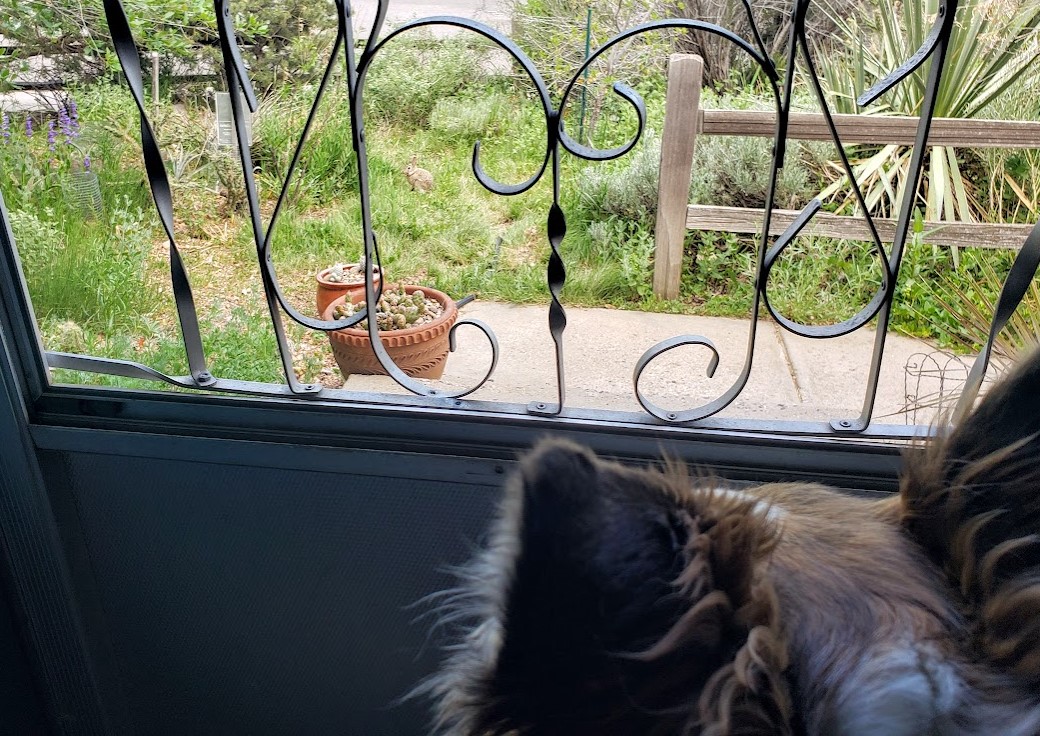 You may be able to see the bunny on our tiny front lawn.
Much to the guy I live with’s disappointment, it hasn’t rained here on any of the days when rain was predicted.
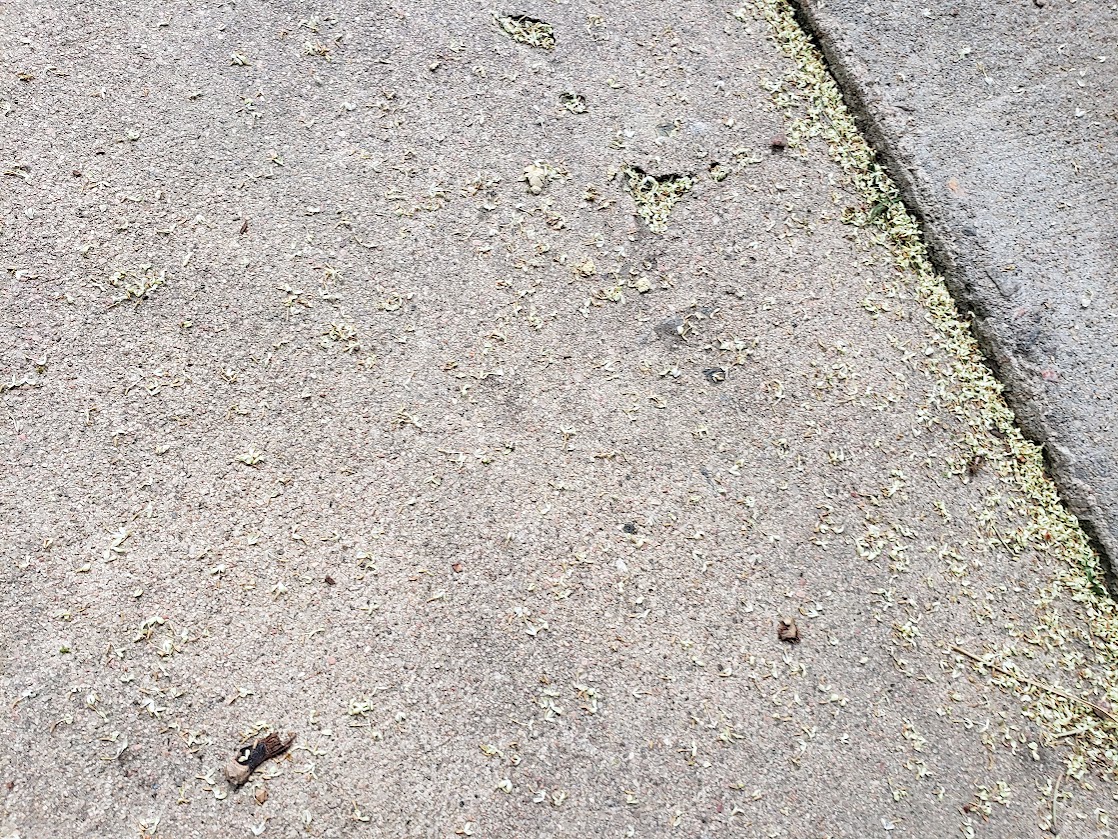
All it’s done is rained flowers. These are flowers of Fontanesia philliraeoides, the “desert bamboo”. (It’s really in the olive family.)
 He’s also been sick for like eighteen days, which he says is a bit much, but maybe he’s over the worst of it now. There has been a lot of moping around here.
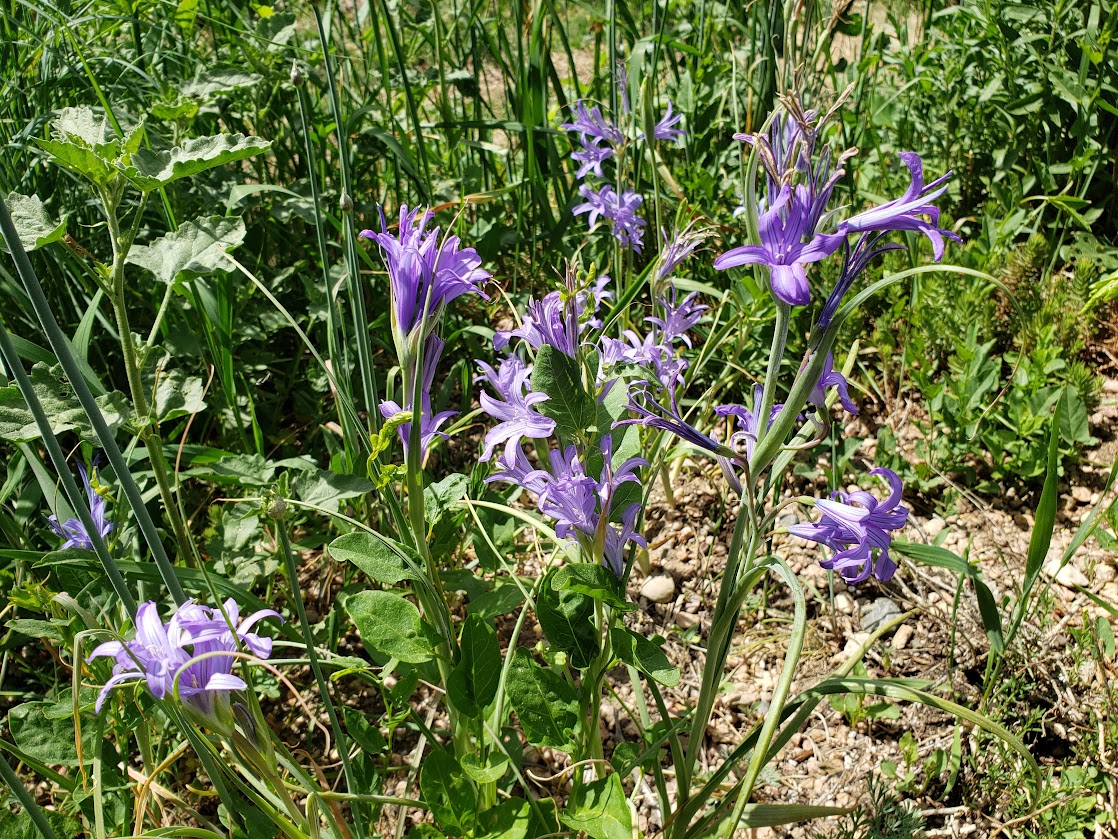
There are some bulbs in flower now. This is Ixiolirion tataricum. It’s kind of a weed here.
 What I really wanted to talk about, though, and this isn’t about me so maybe not all that interesting, is growing bulbs from seeds, and the mistakes the guy I live with has made over the years.
According to him, it’s been one continuous mistake. Maybe not exactly in the Zen sense of the phrase, but maybe kind of, too.
You may have seen pictures of bulb seeds being stratified in the refrigerator here. This technique, sowing seeds between damp layers, or strata, of vermiculite or sand, in the crisper drawer of the refrigerator for a period of time, has resulted in excellent germination. Depending on the species, it can take a month or more at 39 degrees F (about 4C) to activate the enzyme that breaks down the abscisic acid, the germination inhibitor.
The germinated seeds were planted in pots of peat moss, perlite, and sand, and never appeared again.
The tiny little bulbs, the size of the head of a pin, dried out within days, and that was that.
Every summer the guy I live with said he was going to pay more attention to watering, but that didn’t help. One continuous mistake.
A couple of years ago he said he was going to use the native soil, creek-bottom loam, which would insulate the bulbs against summer dryness, just like in real life, but he didn’t do that, and instead just kept doing the same thing over and over again.
Year before last there were three dozen pots of calochortus which never came up the next year.
Well, almost never.
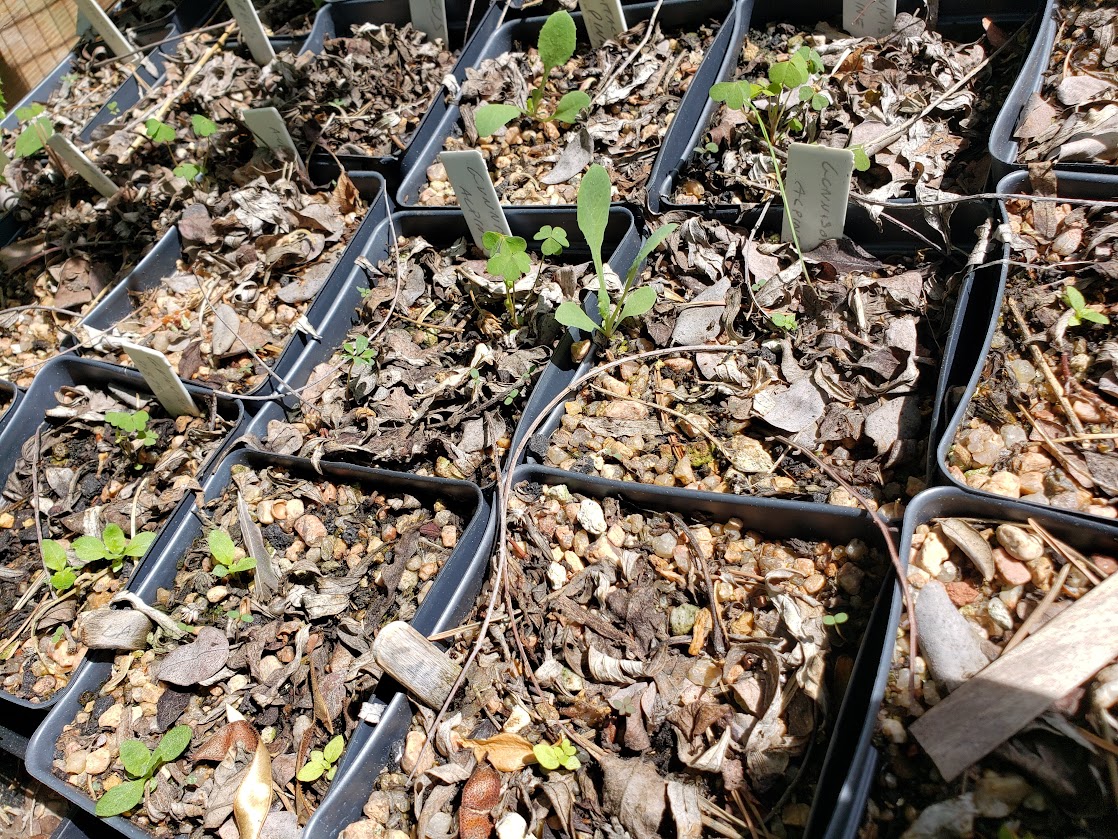 You can see one seedling (Calcohortus gunnisonii) in front of the label in the first entire pot in the middle row, on the right. It looks like grass. This must have been one that didn’t germinate after being stratified.
But there’s nothing except weeds in the other pots.
So, since we don’t have a greenhouse, and it’s far too dry in the upstairs bedroom where the grow lights are, the guy I live with decided to sow the seeds outdoors in pots, last autumn.
This is Fritillaria recurva, from California.
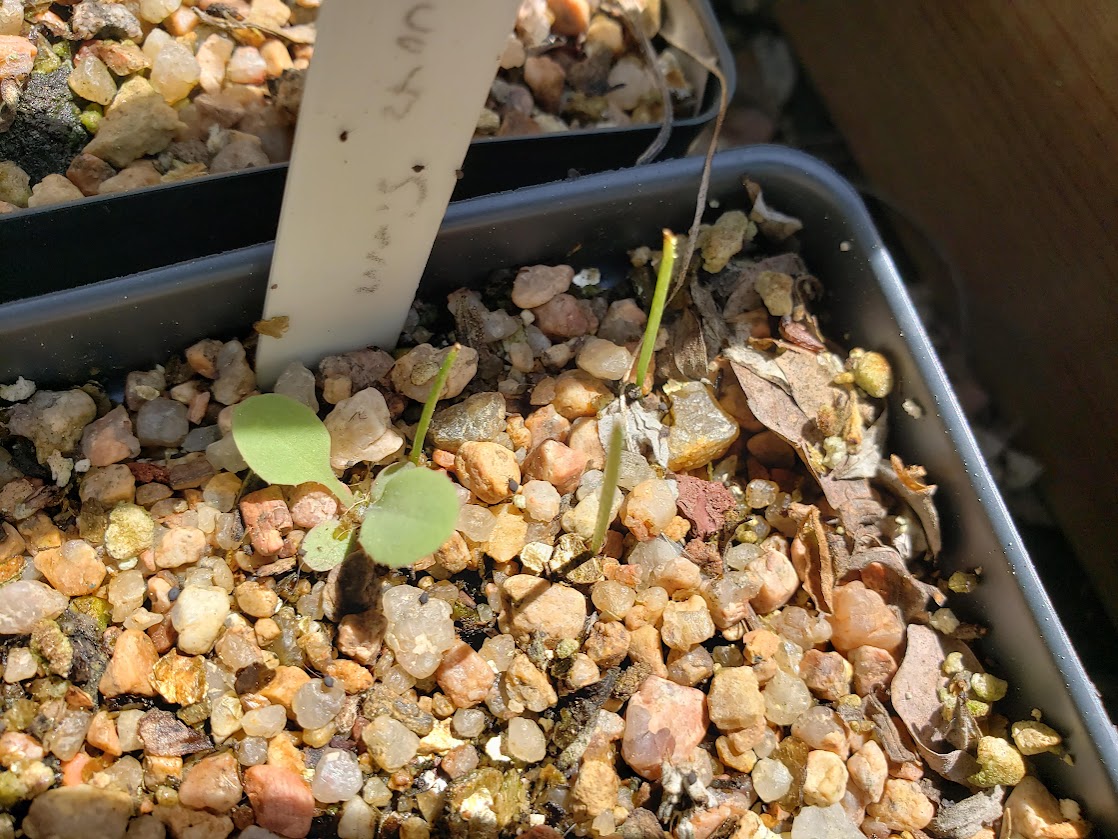
This is Calochortus lyallii.
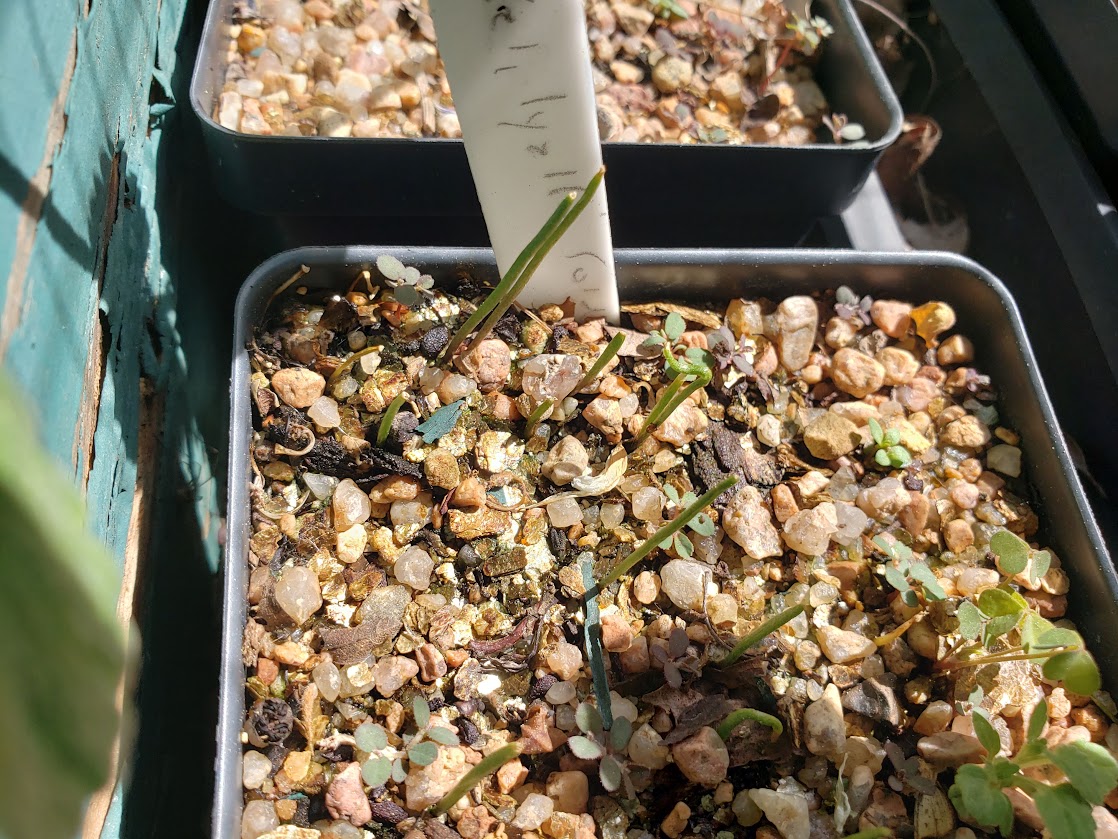 So far, so good.
The pots in the seed frames are watered regularly throughout the summer, so there won’t be much of an issue with the soil-less mix drying out.
But now there’s another problem: this next winter. Bulbs are only hardy to about 15 degrees F (-9.4C), and the little bulbs won’t survive winter in these pots. There’s not enough soil-less mix to insulate the bulbs against colder temperatures, like there would be in their natural habitat.
One plan is to mark every pot with bulb seedlings, and take them indoors for the winter, right after the first night below freezing (we don’t have frost here so we have to watch the temperature), and maybe put the pots in trays filled with sand. Another option would be to cover the pots with sheets of rock wool, out in the seed frames, though this sounds a bit risky to me.
A third option would be to plant the entire contents of the pots, or just plunge the pots into the ground, in an out-of-the-way place in the garden. The guy I live with says this may be the most practical thing to do, if cages are placed around the pots.
(He has had some luck sowing bulb seeds dry into the garden in late autumn, but rabbits tend to mow down the emerging foliage in spring.)
Other seedlings in the frames, not bulbs, don’t have that issue of being frozen solid.
I guess we’ll see if the mistakes continue.
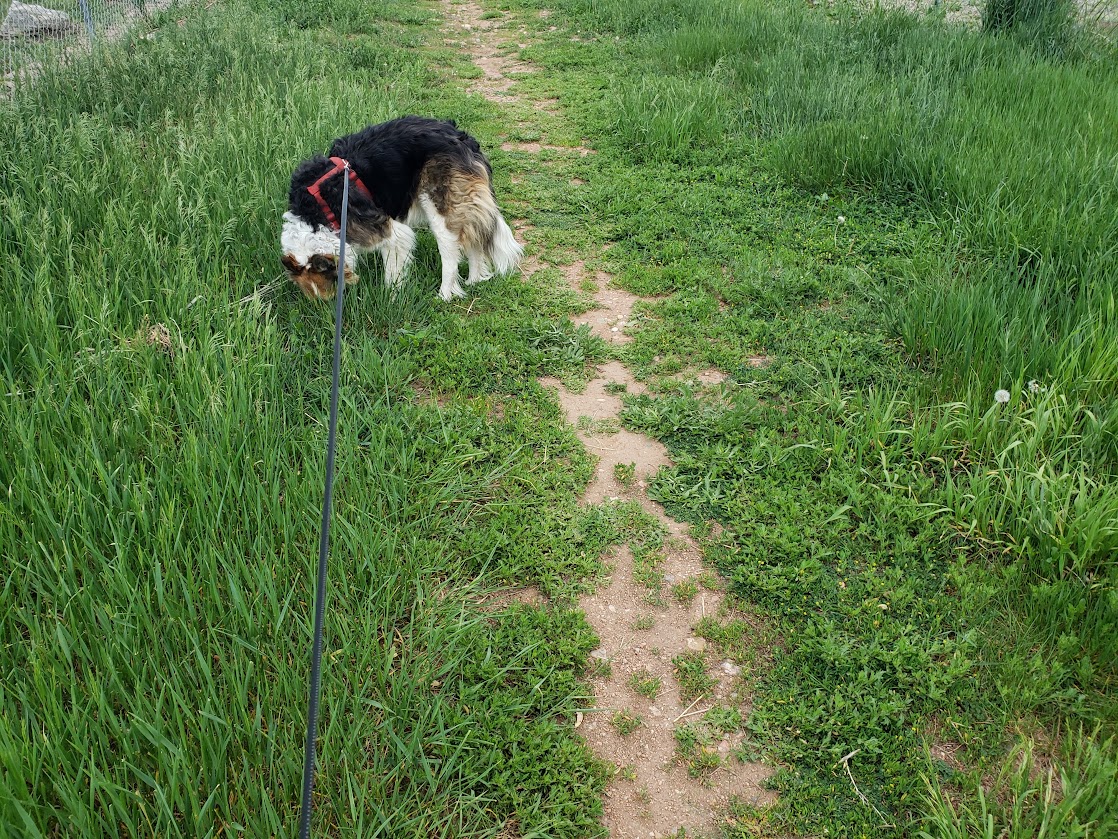
Maybe my next post will be mostly about me, and so probably a lot more interesting. Here I am being fascinated by something on my evening walk.
Until next time, then.

 the miserable gardener
Calochortus is not easy to grow, even without mistakes. It really wants to be out in the wild. That is more of a problem with the genus than any sort of mistakes by those who want to grow it.
They can be grown in gardens, with not much difficulty, if their requirements (mostly, dry summers) are met.
The guy I live with says some of the species from California are perfectly hardy here, like Calochortus luteus, C. venustus, C. uniflorus, and C. splendens, if rabbits don’t eat the leaves.
Other species from California have hardy bulbs, but the foliage can be killed during cold spells in spring, and that’s the end of that.
Those happen to be four of the five relatively common species of San Luis Obispo County, where I got acquainted with the genus. There are about as many relatively rare species that are also native there. Although they are not difficult to grow within gardens that suit their environmental preferences, they can be difficult to grow within nurseries, or potted prior to installation into the garden, which is likely why they are not more popular. If foliage of species that are vulnerable to late frost is ruined, their bulbs succumb also?! That is too sensitive! I suppose it makes sense though, since they do not grow much after spring.
The guy I live with says if bulbs lose their foliage, there’s no photosynthesis, and the bulbs die.
Some bulbs have enough stored resources to replace a few lost leaves, but Calochortus do not likely make such provisions, since their season is so brief.
Mee-yow Mistur Guy you are so purrsistent an deddycated to growin those bulbss!!! Wee REESPECT you so furry much! Wee will keep pawss crossed that efurrything growss this time! Mani you look so cute inn yore fotoss!
An wee found THE Bunny quiklee…..wee have a Bunny heer two. BellaSita named him/her Hunny-Bunny, mew mew mew….
***nose bopss*** BellaDharma an ((hugss)) BelalSita Mum
Thanks. We have more than one bunny here, which isn’t all that wonderful.
We’ll see if the guy I live with’s “brilliant plan” actually works.
I just lost a few pots of seedlings myself. One day without enough water and -poof- gone. I’ve given up on calochortus, even though C. tolmiei grows across the street in a clearcut, it struggles in my own summer-dry garden and gradually disappears. Trying my hand at the much easier Triteleia crocea and T. hyacinthina. Not as intricately beautiful, but still nice nonetheless.
The guy I live with has grown some tritileias, but they never persisted here. (Fancy way of saying they died.)
There used to be calochortus in the front yard, but bunnies ate all the leaves.
The guy I live with ordered some from Telos this year, and they’re going into a “bunny-free” part of the yard (on the south side of the house).
You are not alone. I start hundreds of seeds every year with only a fraction making it out into the garden. Once the flurry of Spring happens, perennial seedlings get lost amongst all the annual veg and flower starts. Once it gets hot in summer I am a less that diligent waterer so many succumb to heat and drought. However, it doesn’t keep me from trying to do better. Colds seem to be hanging on much longer than usual this year. I hope you feel better soon.
I hear from all the complaining that this was a very poor year (last autumn to now) for seed germination.
This may be the last year he tries growing plants from seeds, though some of the pots need to be held over for at least another year. Like with penstemons; the greatest percentage of germination can occur in the second year after sowing.
I think the guy I live with is getting kind of tired of all this work.