
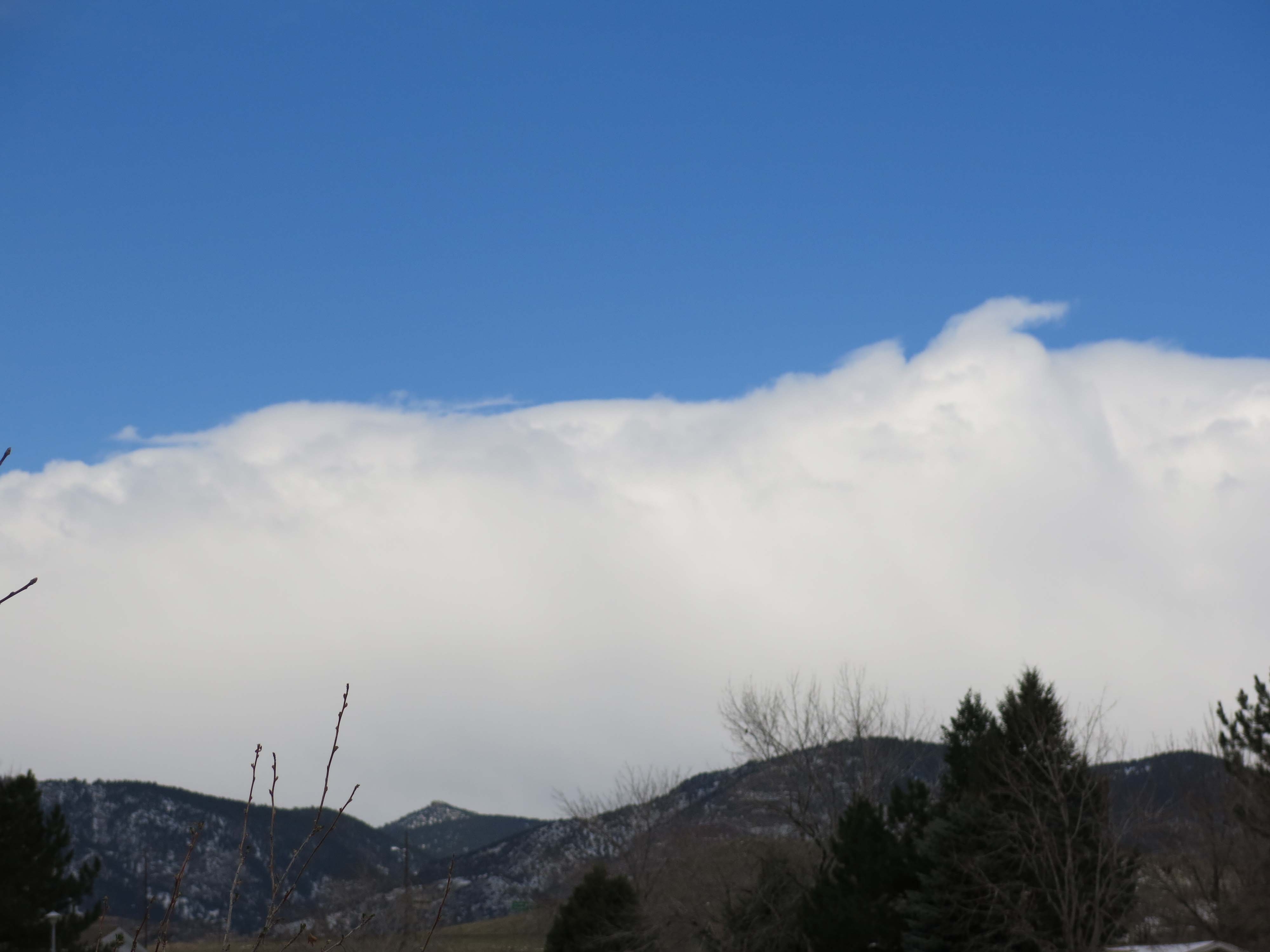
It’s supposed to snow all next week. I am told, by practically everyone who lives here, that this is “good for the garden”. It must be true, because everybody says it. For fear of being branded a “negative” person, I hesitate to point out that snow means it’s too cold to rain, and that only alpine plants really like snow at this time of year. Maybe everyone in Denver is an alpine gardener.
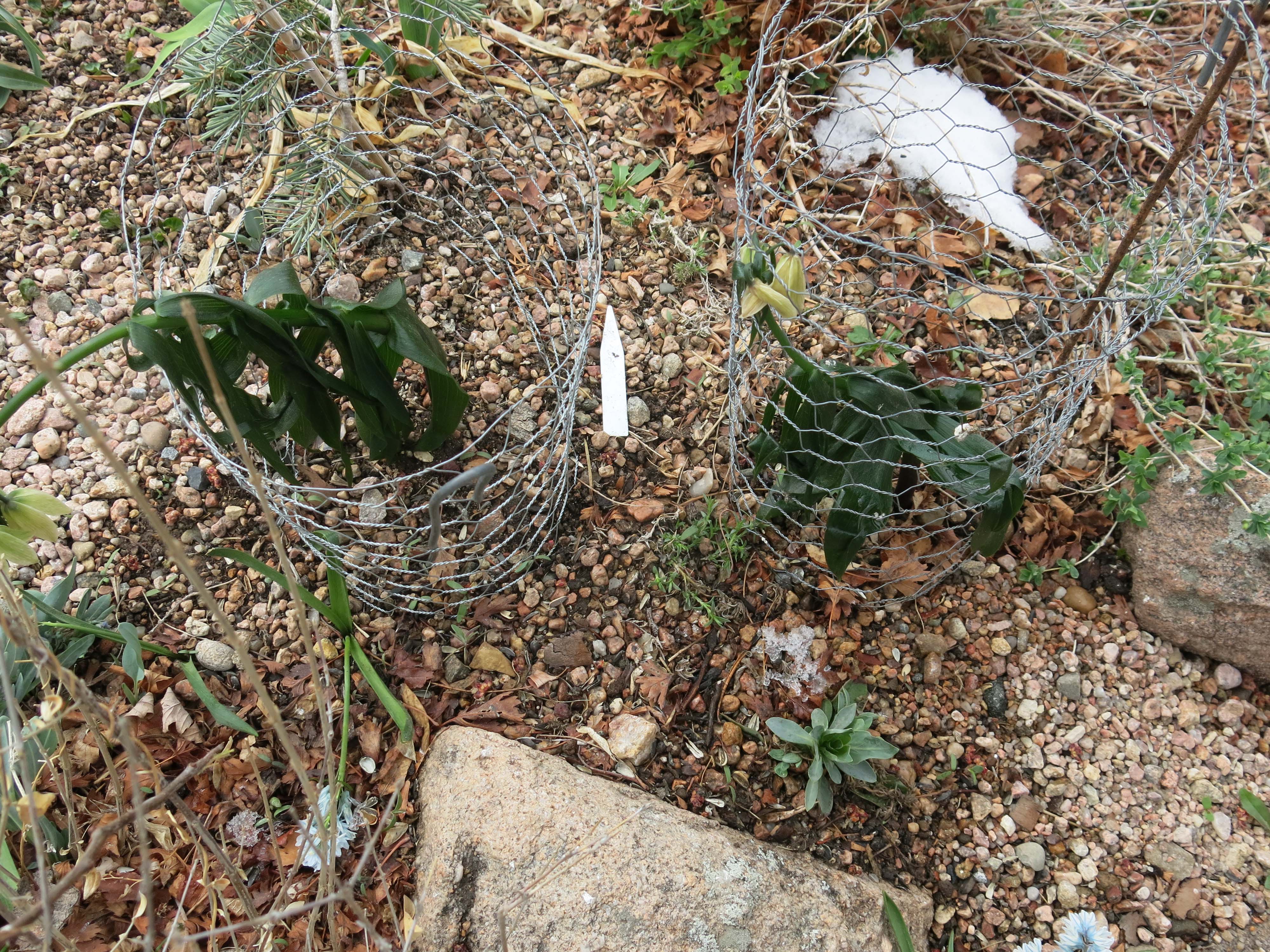
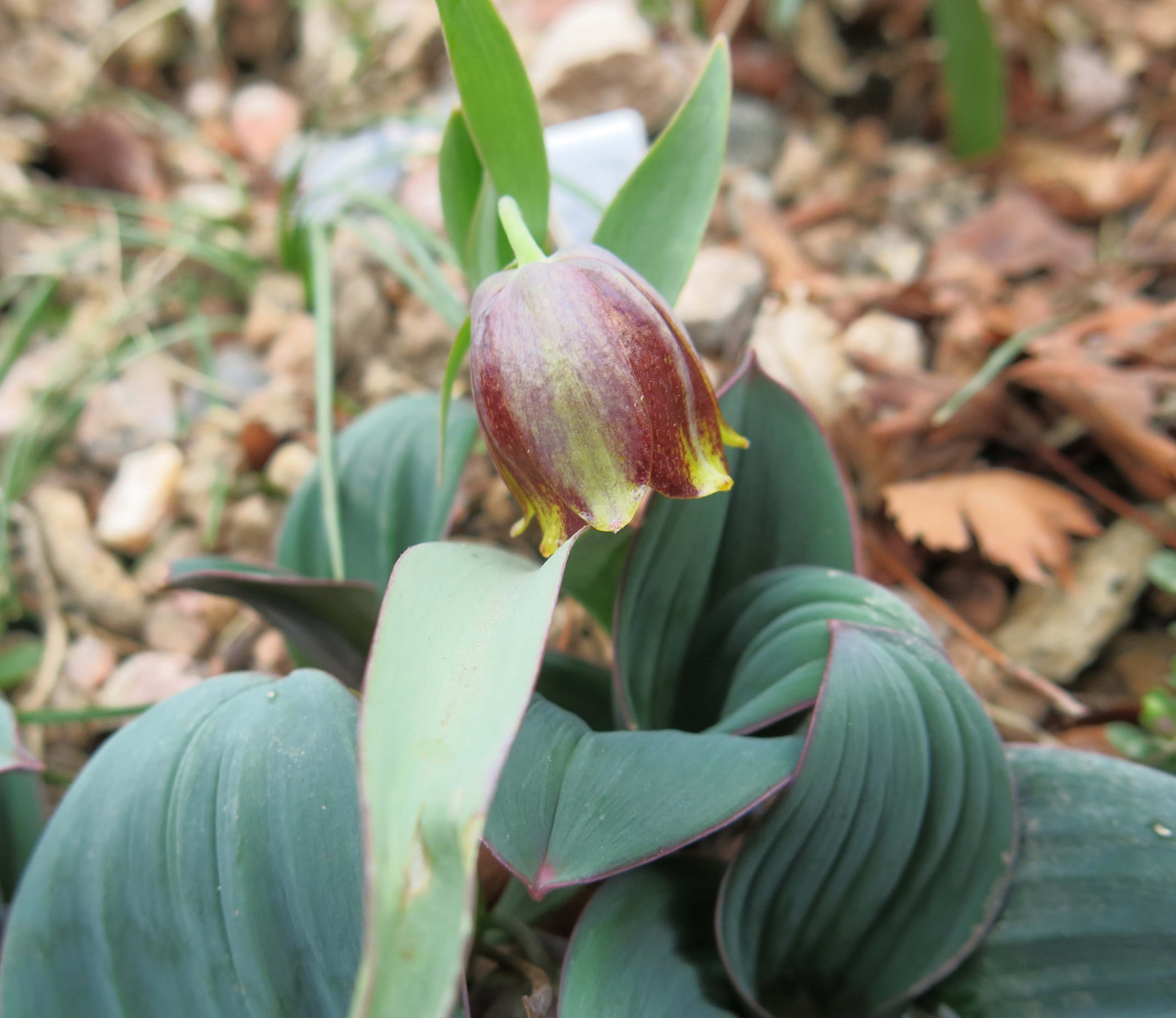
I forgot to cover the Fritillaria raddeana and this is what they look like after all this “good” happened to the garden. I’ll dig down in a couple of months to inspect the bulbs, but I predict that things won’t have turned out so well. I guess that, technically, these are bulbs which would mostly like be grown by people who really are alpine gardeners, but this is what happens when plants that hate cold at this time of year really do get cold.
Well, never mind that. I don’t really care one way or the other about dead plants. Four and a half years ago I did, but not any more.
I got my shipment from Wrightman’s yesterday, and here is a flat full of happy plants. I know the picture is extremely bright, but that’s snow all over the place, and snow is bright.
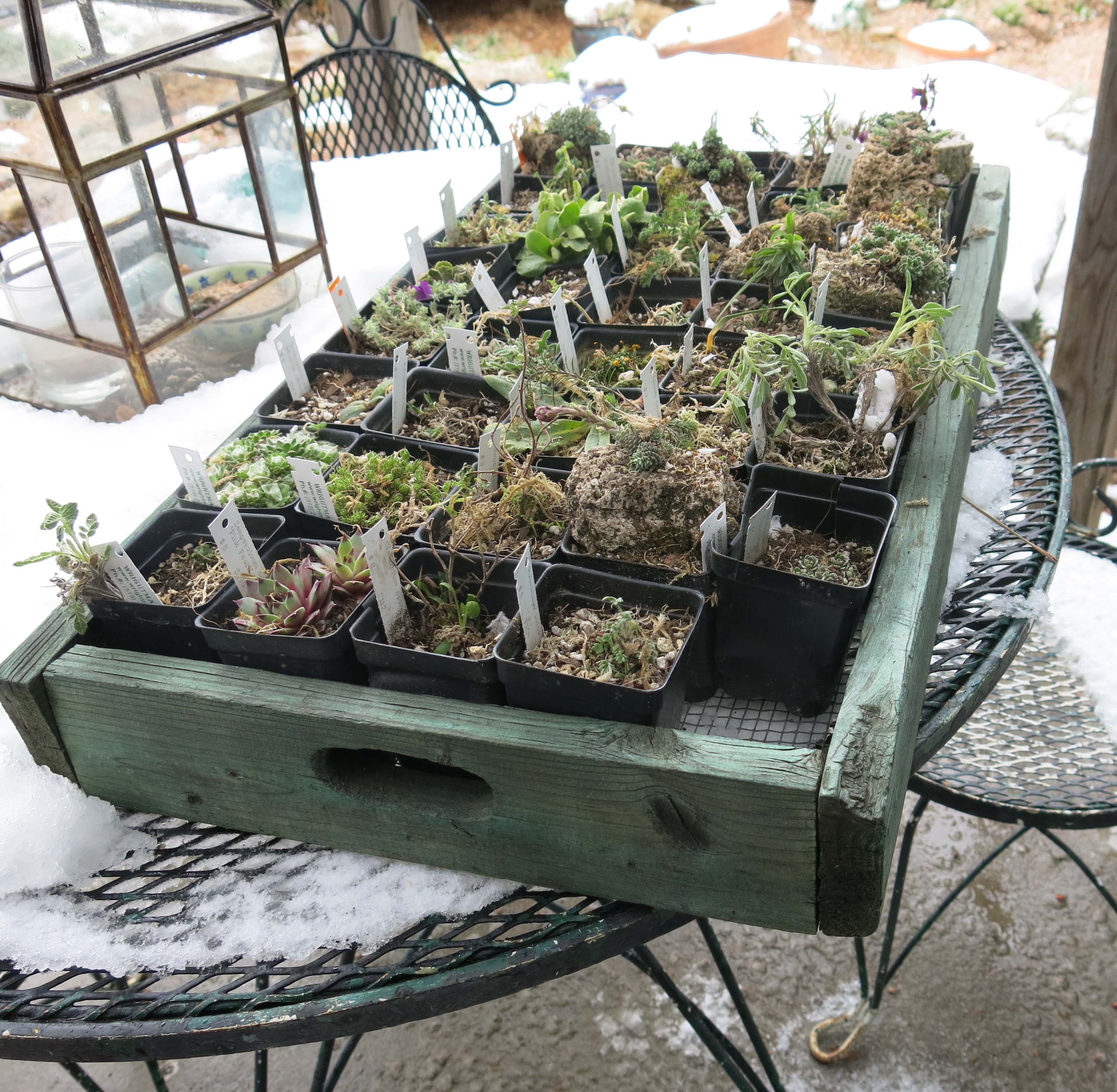
They’re sitting outside to get some nice melted snow on them so they can grow up and be even happier. I might plant them out today. I plant in the snow all the time, in case anyone is wondering. If I didn’t, I’d have to plant everything on the afternoon of August 2, when it usually isn’t snowing. Besides, the sooner the plants get in the ground, the less surprised they’ll be when it snows.
I got an email from Wrightman’s saying that they would replace anything damaged by the cold, which was nice, but alpine plants are tough. This is why I suspect that everyone in Denver who says snow is good is an alpine gardener.
I have very little (or no) patience with plants that need organic matter mixed into the soil, need fertilizing, need pest control, winter watering, or any of that other stuff, since I do none of it, and only have minimal patience with plants that need supplemental irrigation. Alpine plants do, but they’re small, so their water needs are not great.
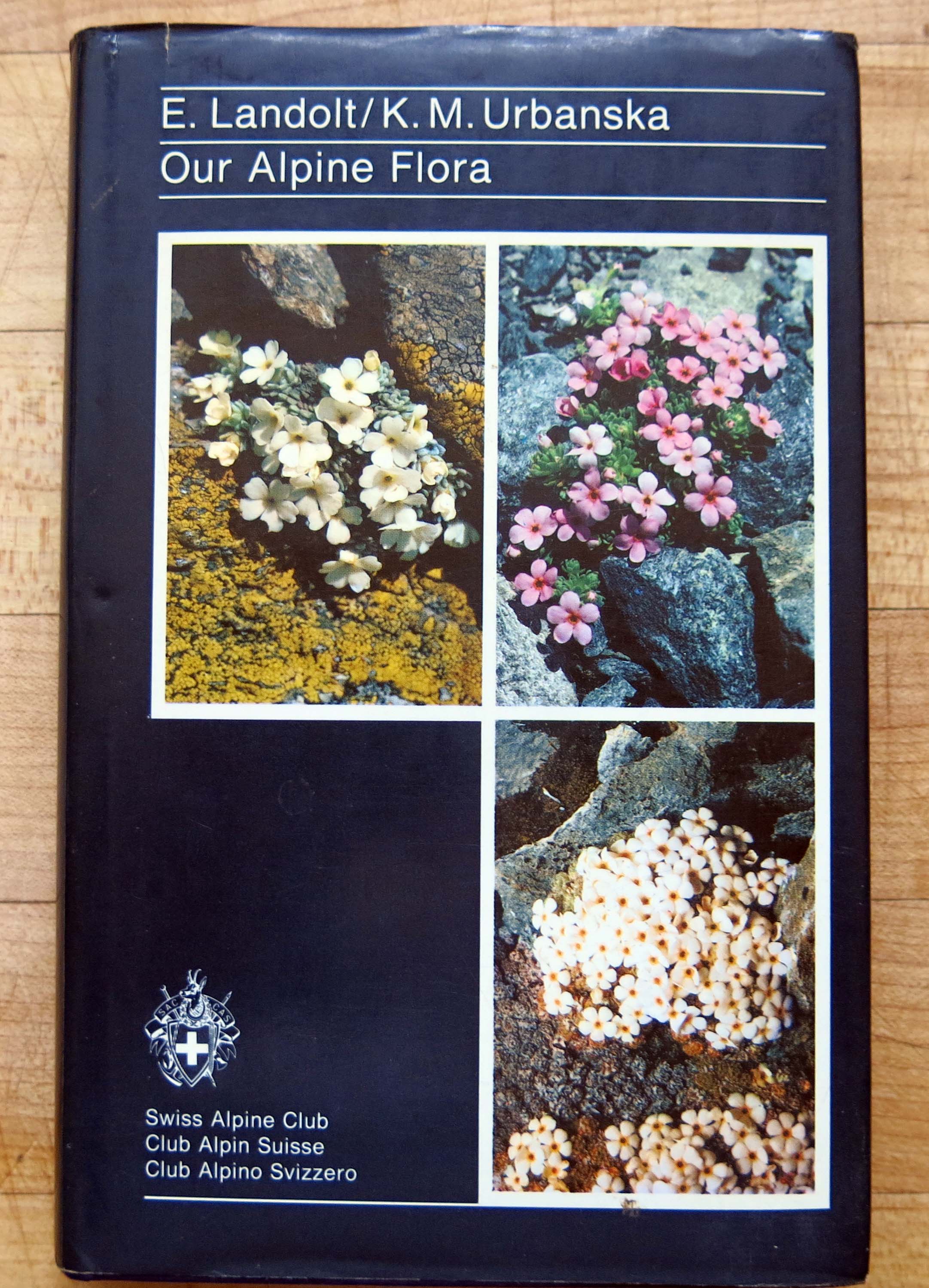
They can also have their roots frozen solid for months on end in winter, make sugars all throughout the growing season (so they can be frozen stiff on the morning of August 2 and not care) and are also as heat-tolerant as a saguaro. Alpine plants continue to assimilate (ie photosynthesize) at temperatures of 120 degrees F. This little book has tons of similar valuable information in it.
Here are a couple of happy, dinky little frits; I can’t remember where I got these (disturbing for a person with an eidetic memory but in my declining years such things happen). These were grown from seed collected by the late Jim Archibald, and have his collection numbers. The plants are about an inch tall. The first one is JJA 17255, growing in leaves of Allium karataviense:
And 17242. It’s so tiny it took me five minutes to find, growing in the pea gravel.

The snow is melting quickly, so I better get out and plant.

 the miserable gardener