late afternoon among the poppies

Here is a late-afternoon shot of Eschscholzia californica ‘Carmine King’, in the garden next door, closed up because the sun went away, as it often does here in late spring and summer. I got the seed from J. L. Hudson from whom I’ve been ordering for many years now. Also got ‘White Linen’ which is elsewhere in this garden.
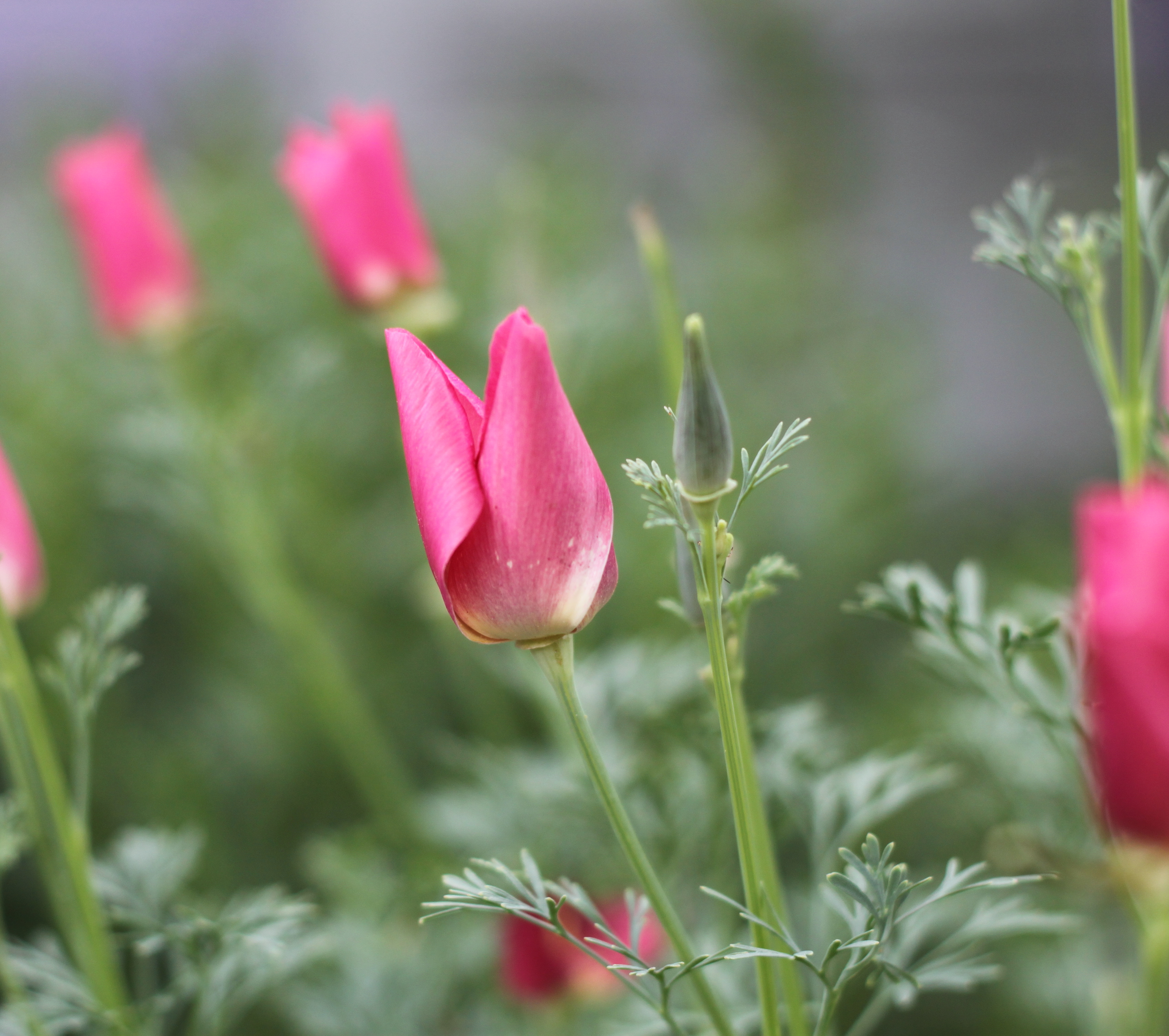
I like these plants a lot; have no explanation why I sow the seed in other peoples’ gardens and not my own. The plant pictured is growing in deep creek-bottom loam and if it gets the taproot just right, it can be a perennial. How many plants do you know that can be either annual or perennial? (I mean assuming they live.)

Out of curiosity, I looked up the number of species in the genus Eschscholzia (last time I’ll type that). E. L. Greene described well over a hundred taxa, species and subspecies, native to California and Mexico, but Greene believed that a species was fixed by God. You find a plant with funnier leaves than all the rest, and it’s a species.

Not every contemporary botanist was fond of Greene’s “splitting”, and when he died, Marcus Jones said “Greene, the pest of systematic botany, has gone and relieved us from his botanical drivel.” And you thought scientists admired each other.

The Jepson Manual accepts 12 (twelve) species (ironically, Jepson was Greene’s most famous pupil), as does Flora of North America. The genus is found in California and Baja California and Sonora. Maybe elsewhere.

So every time I see one of these plants I think of botanists, hurling botanical journals into the fire, throwing herbarium sheets across the room, and generally behaving like G.M. Hopkins’ description of Browning: “a man bouncing up from table with mouth full of bread and cheese and saying that he meant to stand no blasted nonsense.”
Posted in Uncategorized | Tagged | 3 Comments

the cheap weed

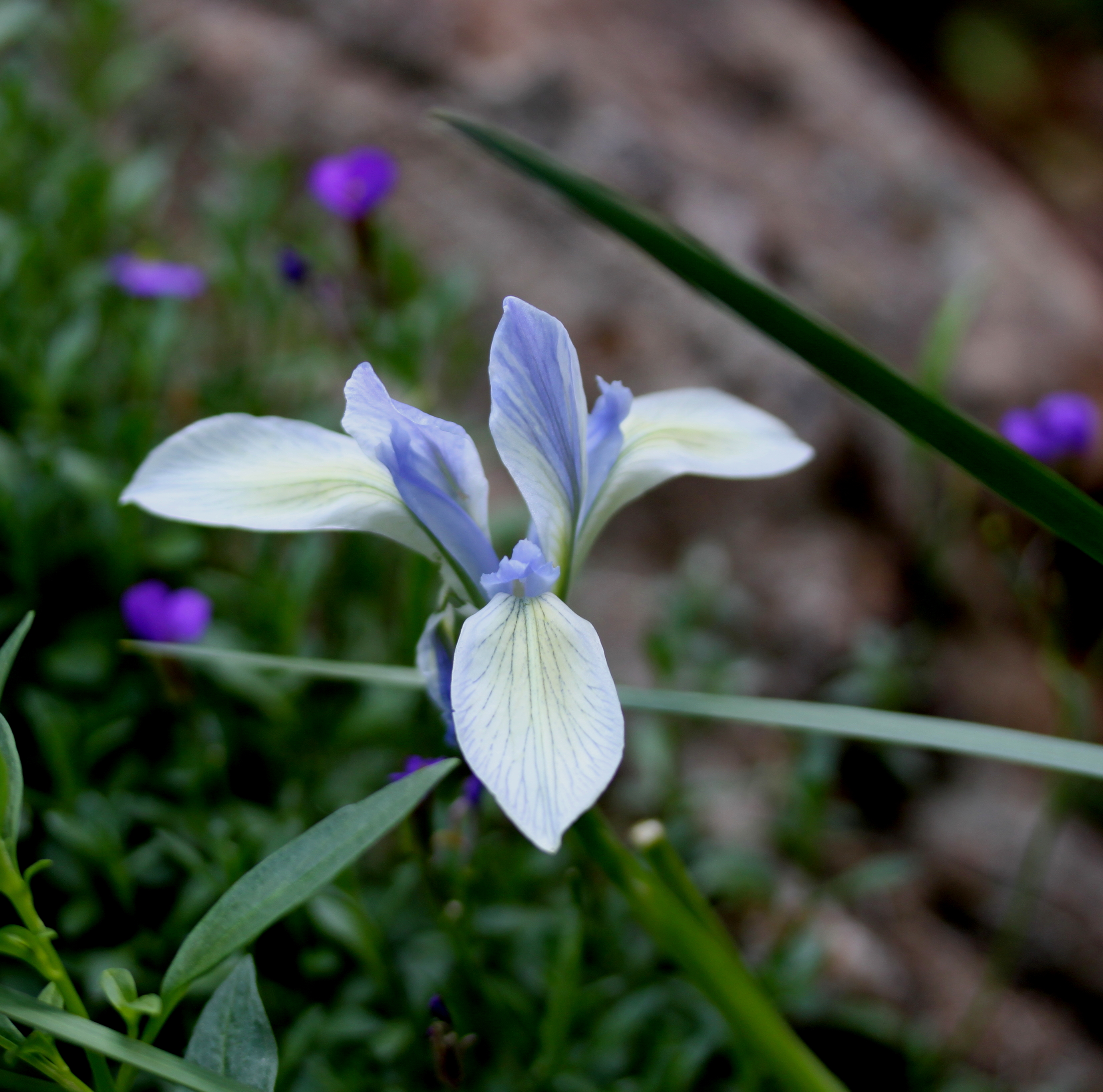
Got this iris as seed from DBG ages ago. It was labeled as Iris lactea. Iris aficionados apparently look down on this species, even calling it a “cheap weed”. The flowers smell like lighter fluid, which is an added attraction.

Being used to having a garden filled with cheap weeds, it didn’t bother me, until a few years later I obtained seed, “ex Beijing Botanical Garden”, labeled as Iris songarica var. bicolor, which I germinated and when they flowered turned out to be the same cheap weed.

Botanic gardens have been known to be mistaken, so I asked an iris person about this, and was told that Iris songarica was a really rare plant in cultivation and I couldn’t possibly have it in my garden. It seeds around rather exuberantly, which is unusual for a plant that’s rare in cultivation.

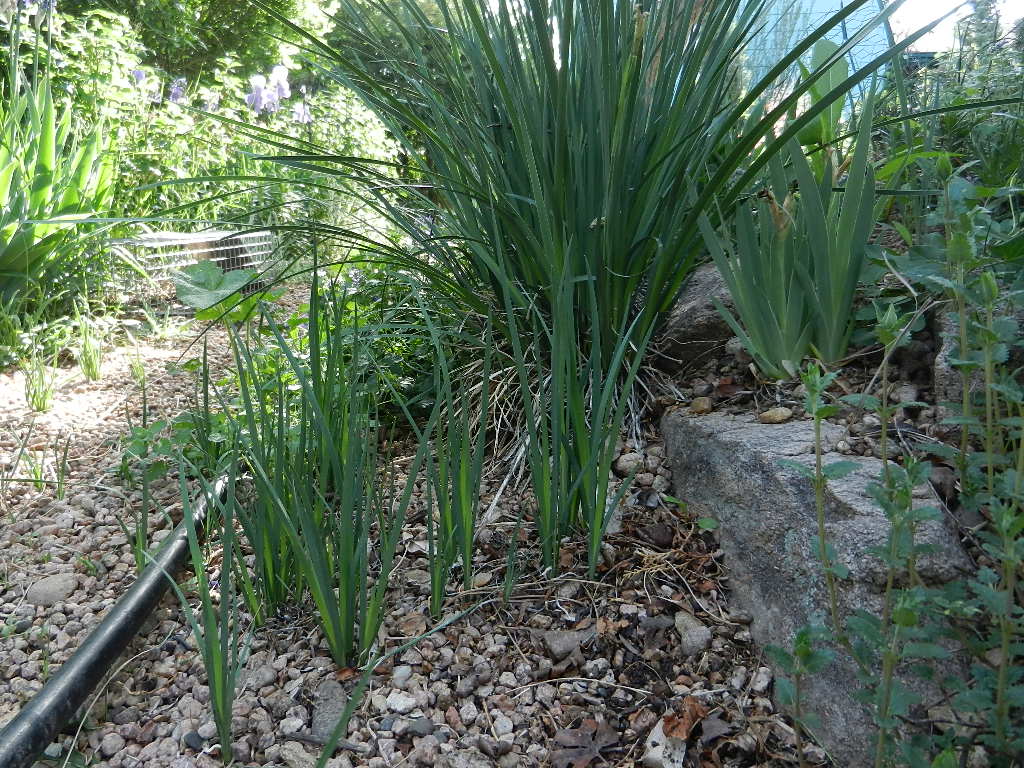
According to Brian Mathew, in The Iris, “a distinctive feature” of species in Subgenus Limniris, Section Limniris, Series Tenuifoliae “is the way in which the bases and fibres of the old leaves persist as a neck at the apex of the rhizomes”. Check. Iris loczyi, which I have in the garden from wild-collected seed, is in the same series and has the same feature.

In Iris lactea, same section but series Ensatae, the flowers are described as “fragrant”, a word which always connotes a pleasant smell (I suppose some people could find the smell of lighter fluid pleasant), and the essential distinction in the series is “the long narrow beaked ovary which is separated from the perianth segments by a tube only 2-3mm long, so that the falls and standards appear almost free from each other.” Not in my iris.

So I’ll go out on a limb, or maybe just a fall, and suggest that this is, in fact, Iris songarica. I’m inured to the fact that the universe is not particularly interested in my various plights, complaints, quandaries, puzzles, and so on, but if anyone wants to make a trek out to Central Asia (where I. songarica is common), I’ll spring for rental fees for the yaks.

Posted in Uncategorized | 3 Comments