
Greetings and salutations, everyone; yes, once again it is I, your popular host, Mani the purebred border collie, here today to talk about bulbs. You may remember me from such posts as “Day Of The Scorpiris”, among so many, many others.
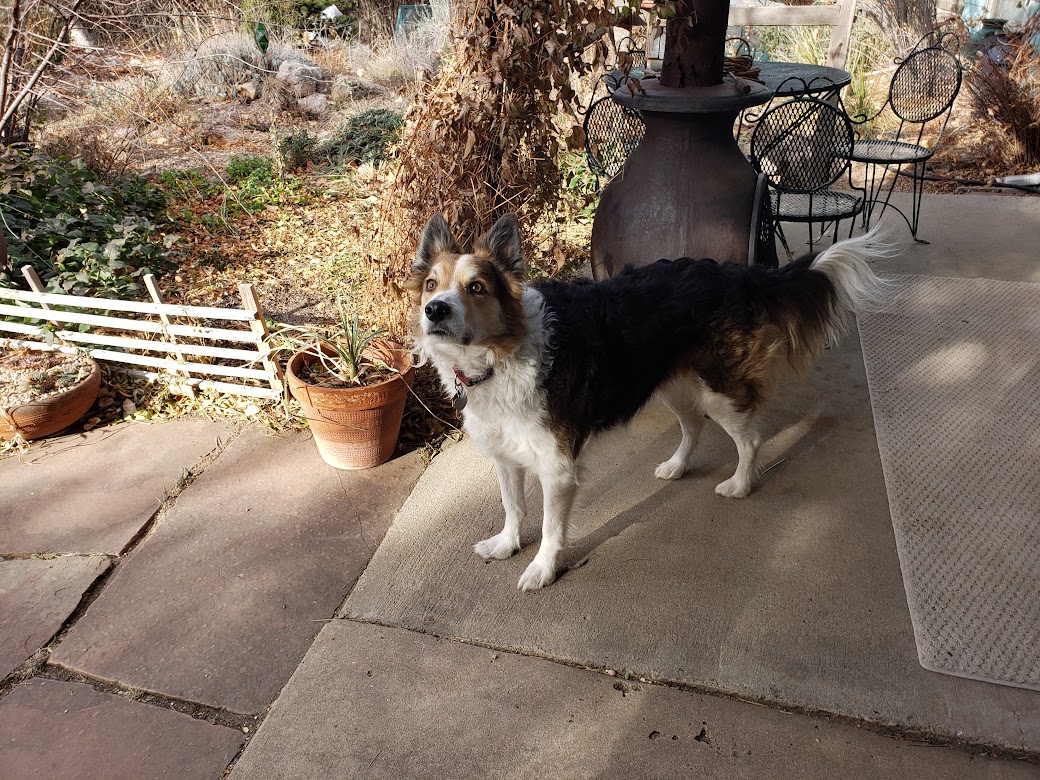
Here I am in a characteristic pose. I was helping, as you can see.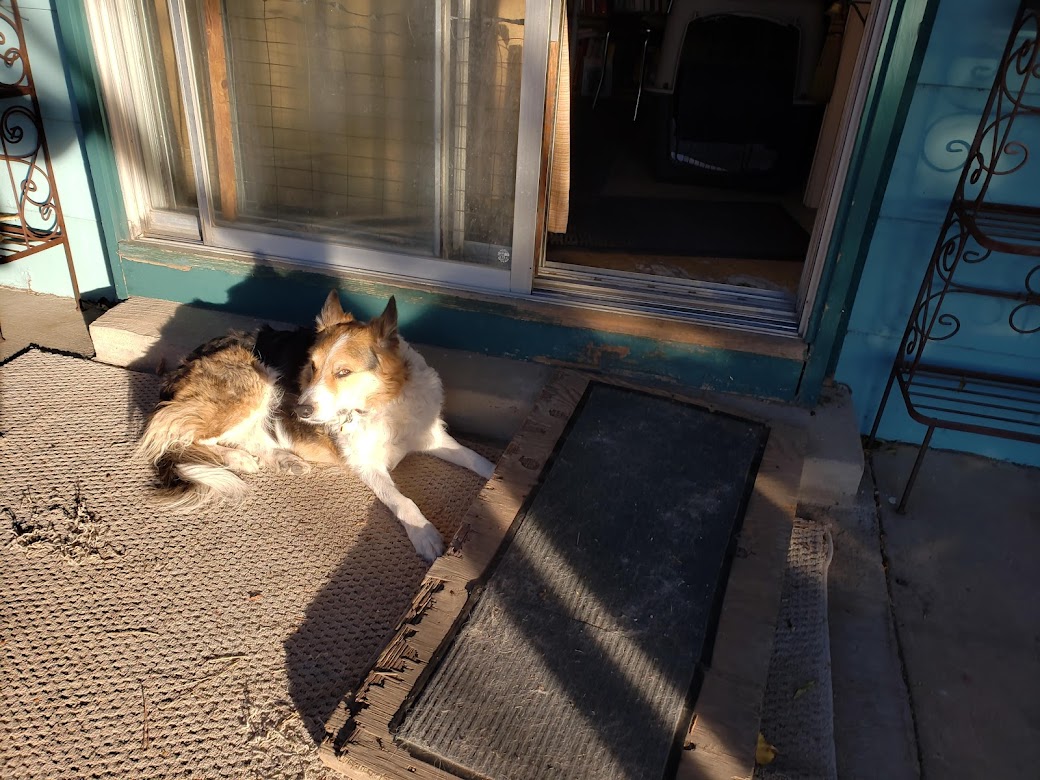 It’s kind of a melancholy time of year for the guy I live with, and no doubt for anyone who’s lost someone in their lives, and, to make things even less enjoyable, things are weird.
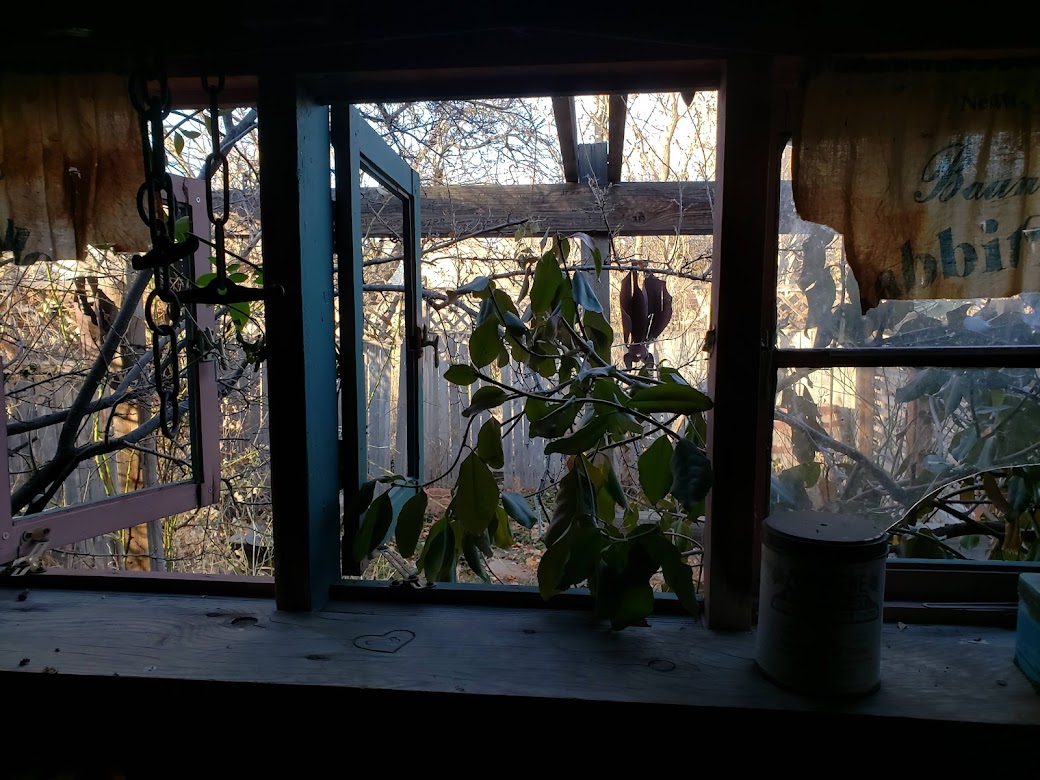
The guy I live with, being a gardener and all, often has to go out to the shed for stuff. I don’t go in there much at all, but I get the feeling it’s a melancholy place at this time of year, because the guy I live with and his wife built the shed, and she decorated it.
She built the windows and the shelf, and did all sorts of things to make the shed feel like a nice shed.
I know I’ve shown this before.
The curtains have been shredded by squirrels, and, if you’ve been reading the blog for any length of time, you may remember the time Earl (the squirrel) stole all the twine from the can of Nutscene twine you can see on the shelf.
You can also see the heart his wife carved into the shelf.
 Anyway, one of the weirder things among all this weirdness has been the mail delivery. The guy I live with learned that one of his bulb orders was lost in the mail, and he was really fretting about another order from England, but today they arrived. He was very relieved.
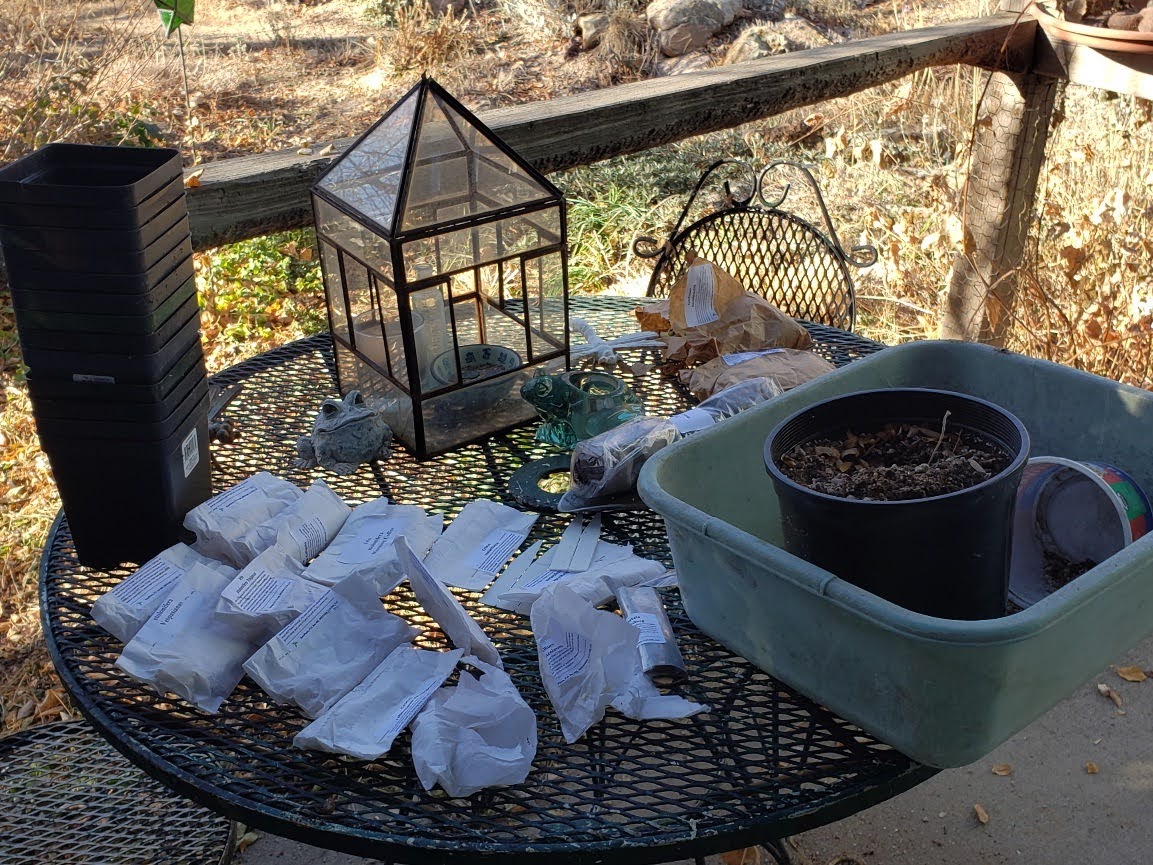 Most of the bulbs were in good shape, though the colchicums looked pretty pathetic. I know now, because the guy I live with talks about it all the time, that the colchicums needed to form roots, because that’s what they do at this time of year.
The guy I live with did a lot of thinking. This was the second time in the last two weeks that there’s been all this thinking.
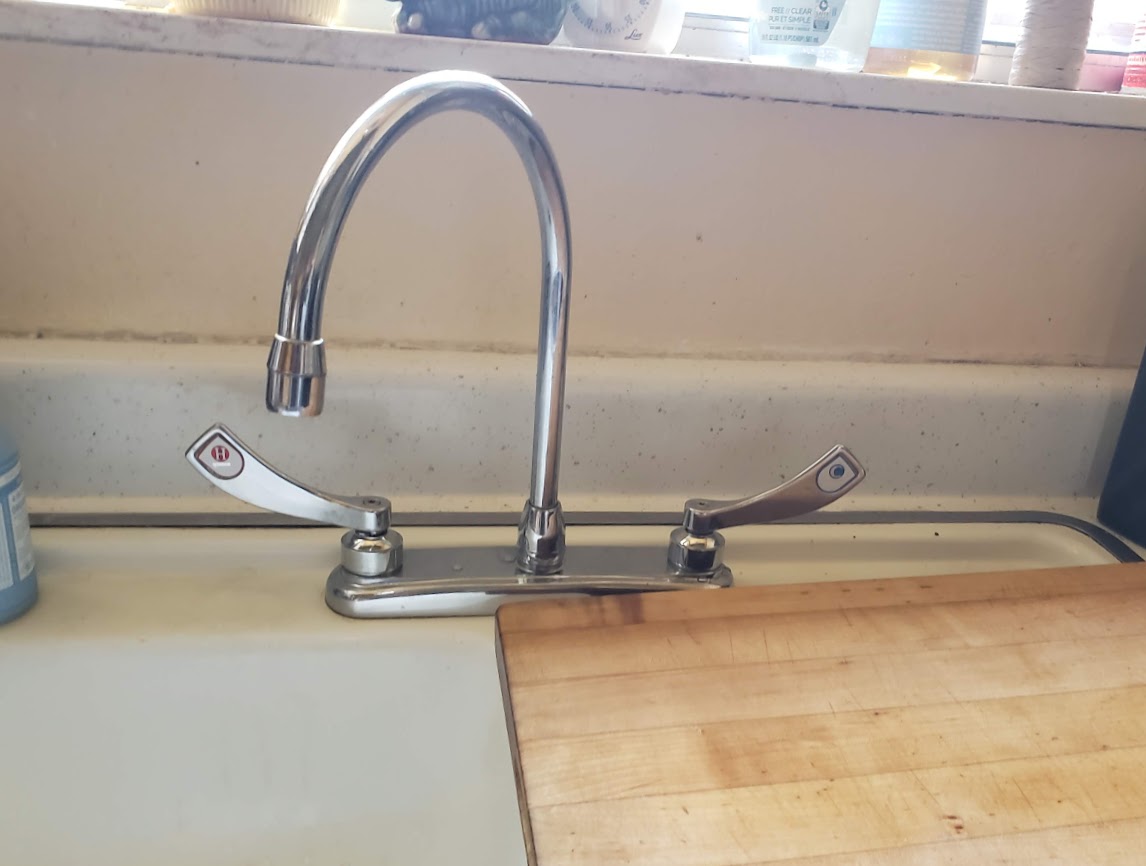
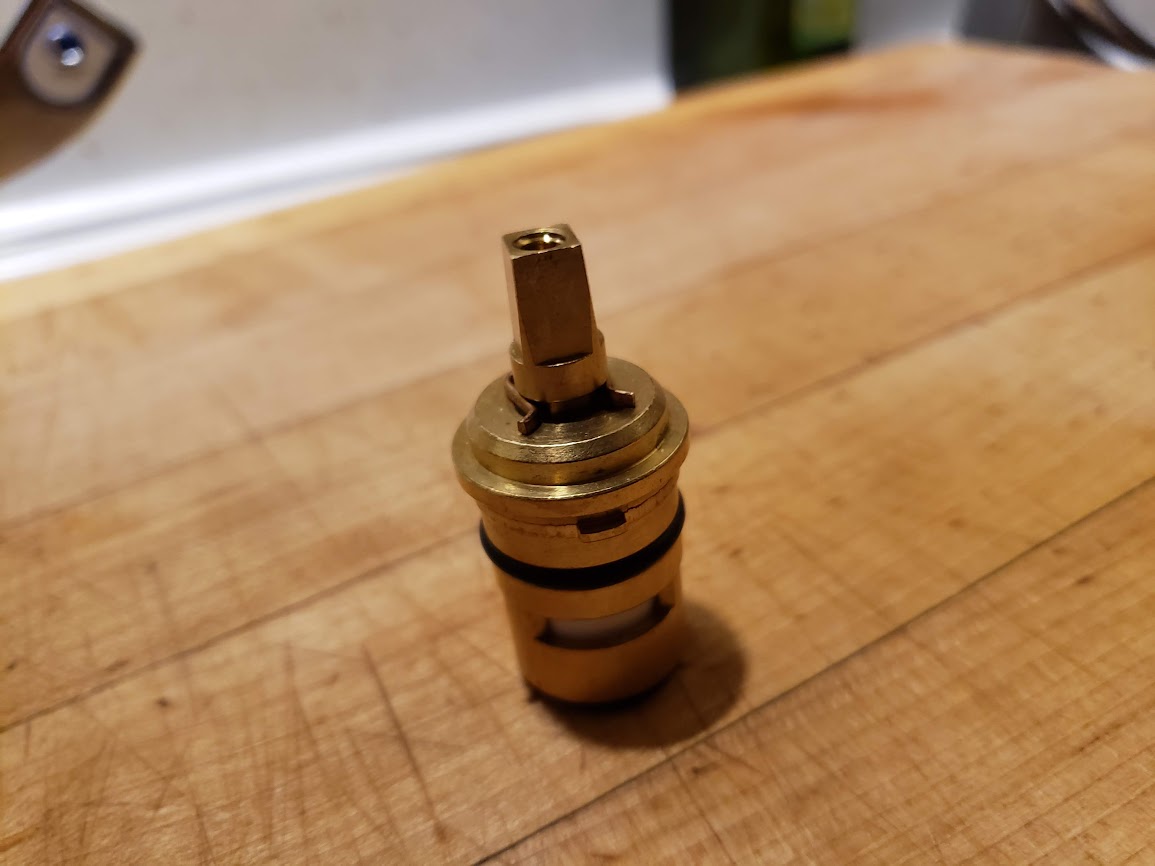
There were three possible options. Plant the colchicums in pots and put them in the frame, or put the pots upstairs, or plant them in the garden. Eventually, after more thinking than even the faucet business took, the colchicums were planted in the garden, deeply, watered, then covered with soil, and mulched with pine needles.
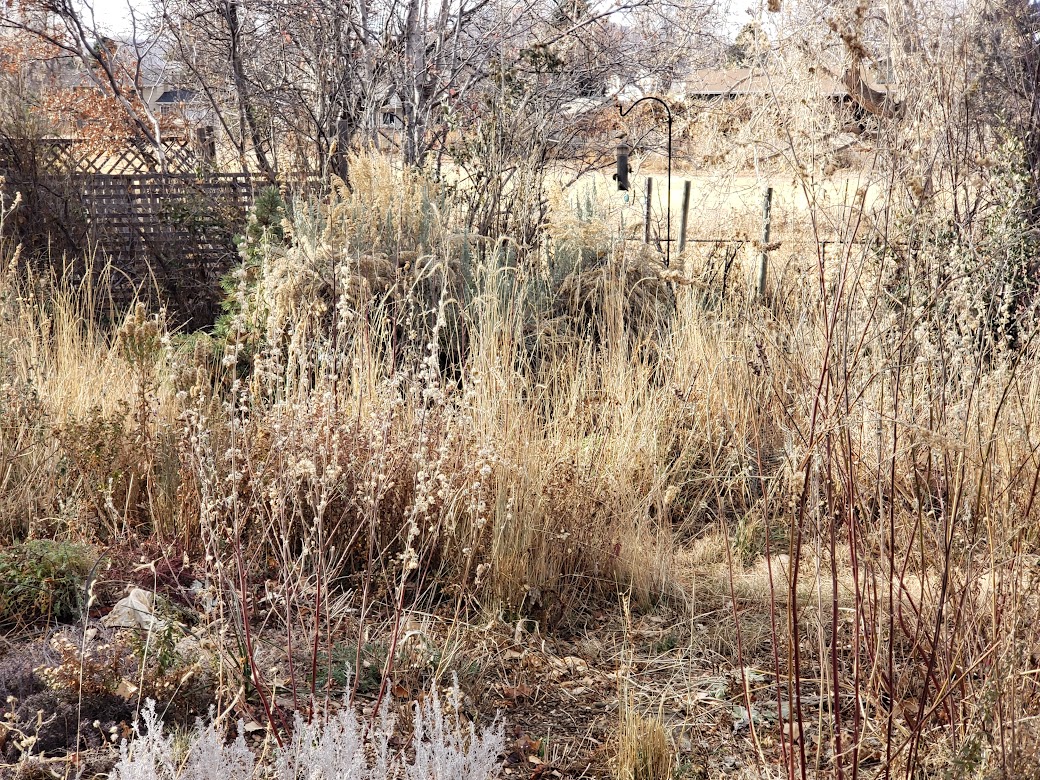
They were planted in the “new slope”. It’s not really new, but the stuff growing there had been cleared away. I know it doesn’t look like much.
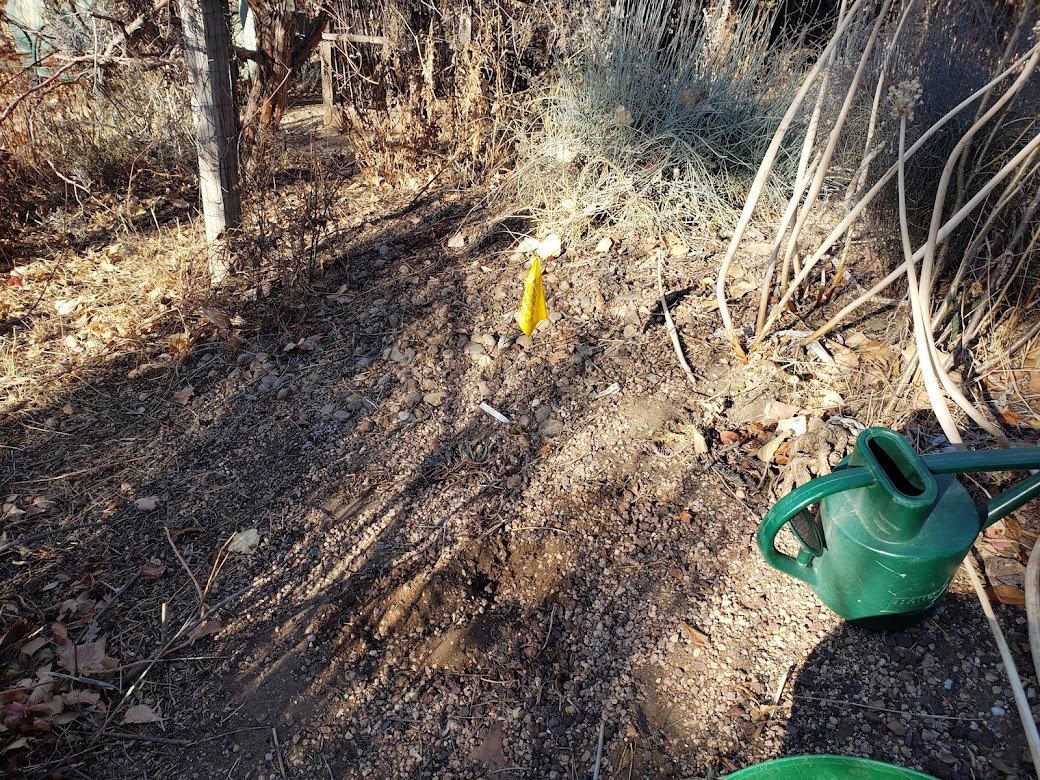 Those white stalks are Allium pskemense; they haven’t been cut down yet “because of maintenance issues”. (I’m not allowed near onions, so I couldn’t help.)
The next thing were the autumn-flowering crocuses. Some of these had flowering stalks, but no roots, which is just as typical as with colchicums.
About two months ago there was more of this thinking, which even involved digging up some crocuses to look at them “for scientific purposes”, and he concluded that crocuses already growing in the garden don’t need water in the soil to form roots.
If the newly-planted crocus corms don’t have roots, like the colchicums, they won’t form new corms for next year unless they get sufficient water.
So after all this investigation, he suddenly understood why so many autumn-flowering crocuses he’d planted in the last ten years (really expensive ones, too) never showed up the next year. They didn’t get enough water after they were planted. They didn’t form roots, and just withered away.
Crocuses, like colchicums, grow from annual corms. The starch in the corm begins to degrade at flowering time, and is transferred to the new corms, which then continue to grow, if they have roots. Last year’s corm withers away.
The crocuses couldn’t be planted in the garden, because it’s supposed to get down to ten degrees (-12C) on Friday night. Supposedly with snow.
They also couldn’t go into pots in the bulb frame, because when bulbs are planted there, they go into pots and are planted very deeply, almost at the bottom of the pot, which would be too deep for crocuses, and if they were planted at normal depth, and froze, that would be that. Bulbs are killed at low temperatures like that, which is why they grow in the ground, insulated by soil. Growing them in a pot doesn’t give them enough insulation; that only works for bulbs planted deeply. The guy I live with lost a bunch of crocuses that way; that was before he did all the thinking that he does now.
So the crocuses went into flower pots, planted at normal crocus depth, got watered, and are now upstairs.
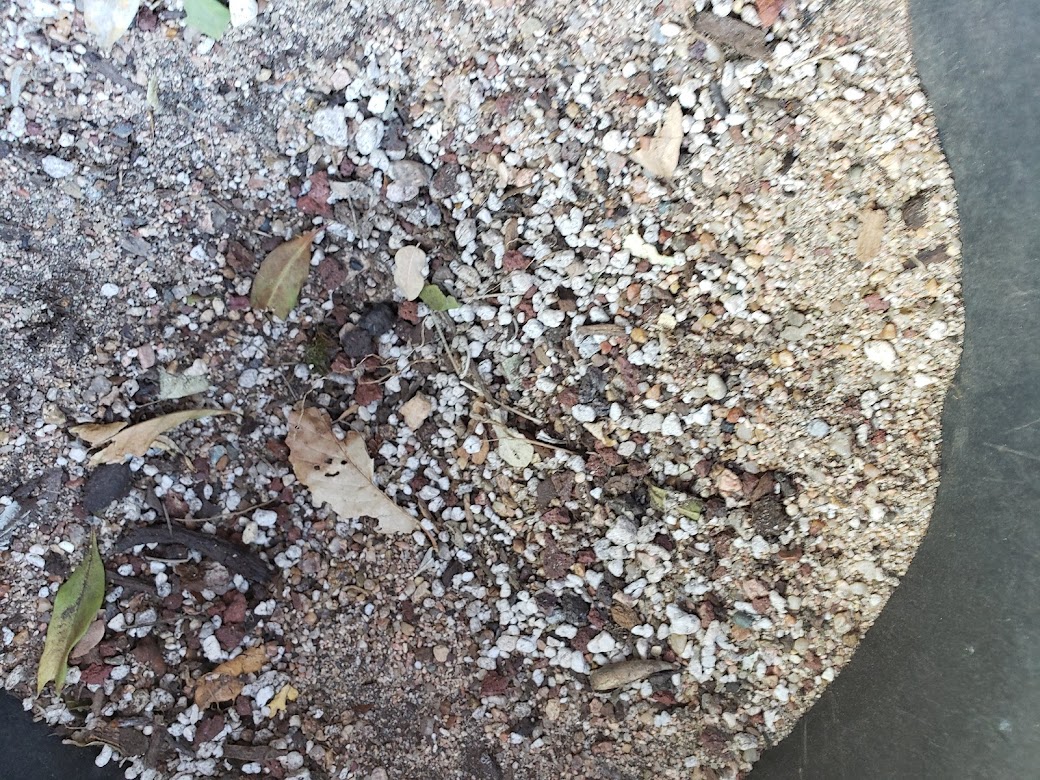
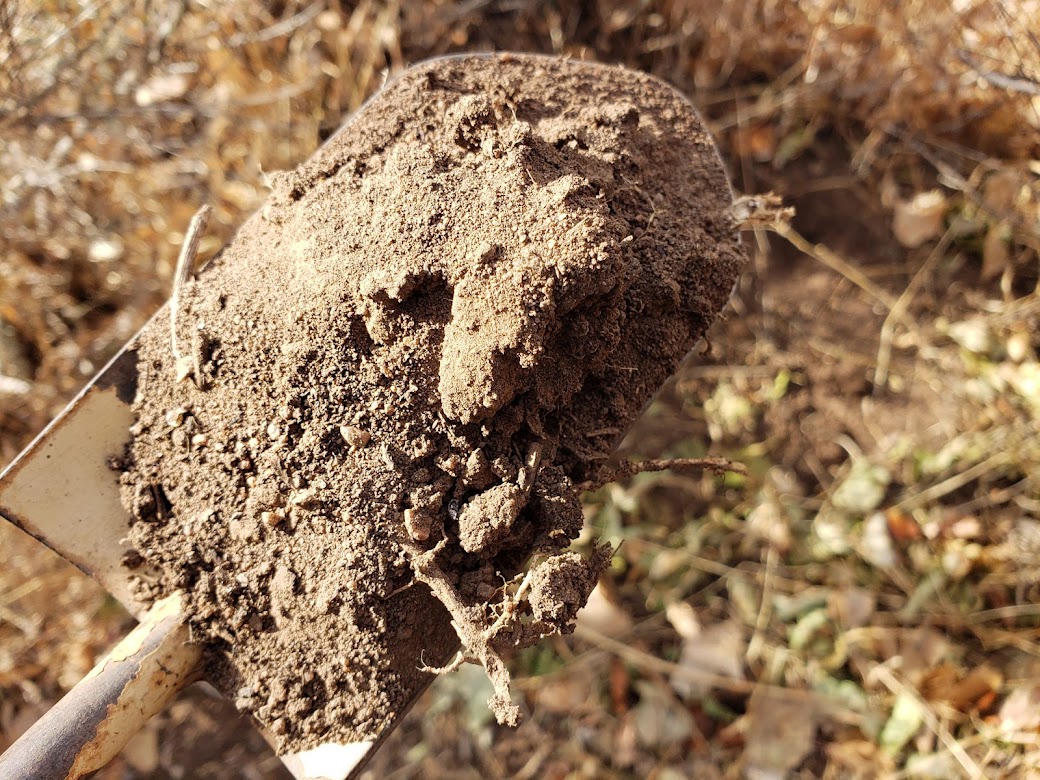
This is the soil used for potting. Just old stuff that was in the troughs, with very little organic matter.
 Then there were the irises. The guy I live with had already decided what to do with them, because ideally they need to be planted in August.
These are Regelia irises, which are like Oncocyclus irises but have more than one flowering stalk; also like Oncocyclus irises, they grow leaves in the autumn, which you would think is a very silly thing for them to do, but the irises do it anyway. (The leaves have a rough time during the winter, but new leaves grow in spring.)
Mostly forms of Iris stolonifera, from places like Uzbekistan and Tajikistan. (Not hybrids; I know enough not to ask.)
The rhizomes don’t look anything at all like regular bearded irises.
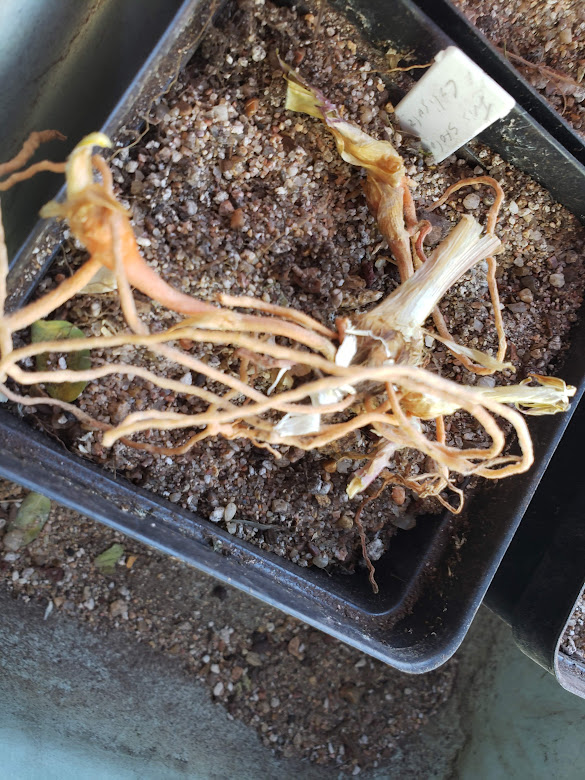
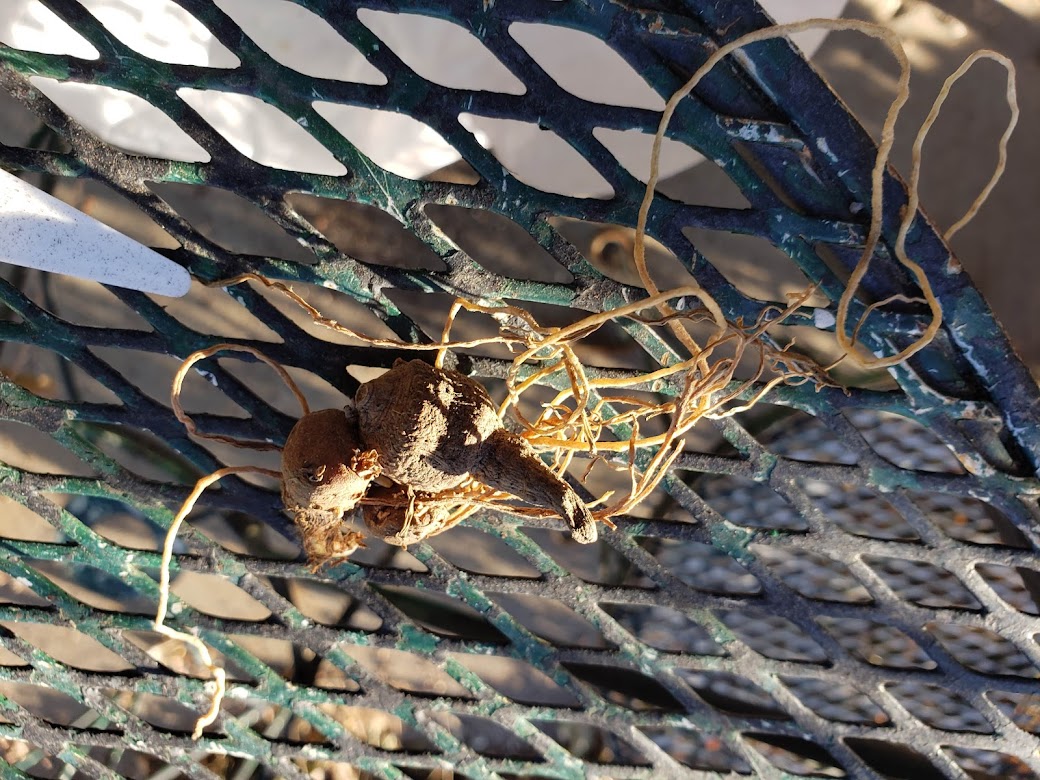 These went into pots which were taken upstairs, and watered.
You can see that the rhizomes already had roots, but all the ones he grew in the past would have had leaves by now (he gave all the Oncocyclus irises, and most of the Regelias, to the botanic gardens some years ago), and planting the rhizomes, which aren’t planted very deeply at all, in the garden when it’s supposed to get so cold seemed excessively dumb. The guy I live with has done a lot of dumb stuff in the garden, but even this was too much for him.
Maybe you can tell by now that the guy I live with mostly ignores all the bulb advice in books and online, because our climate is so different from most normal gardening climates, and because our climate is also very similar to the ones the bulbs grow in. That’s why he says “ignorance is bliss”.
Well, this has been one of those didactic posts, which, fortunately for everyone, we don’t do very often. There wasn’t enough about me, for one thing.
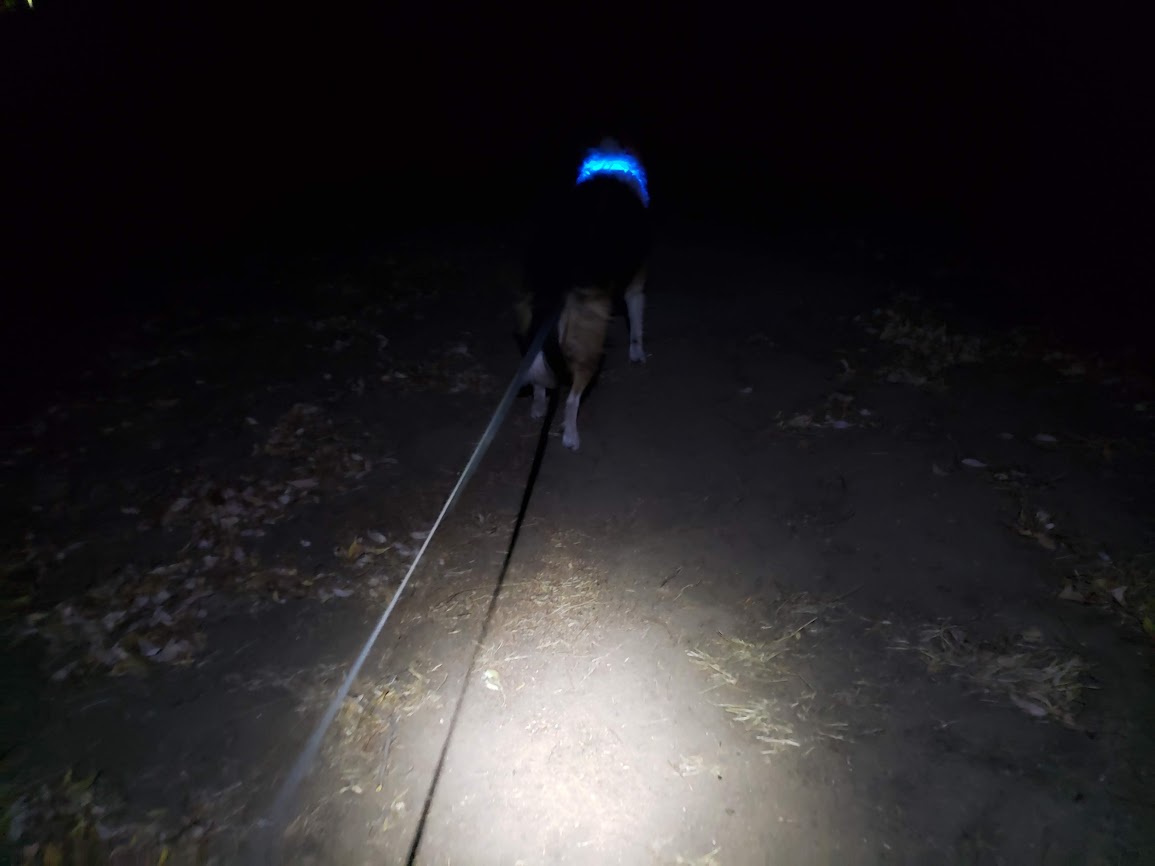
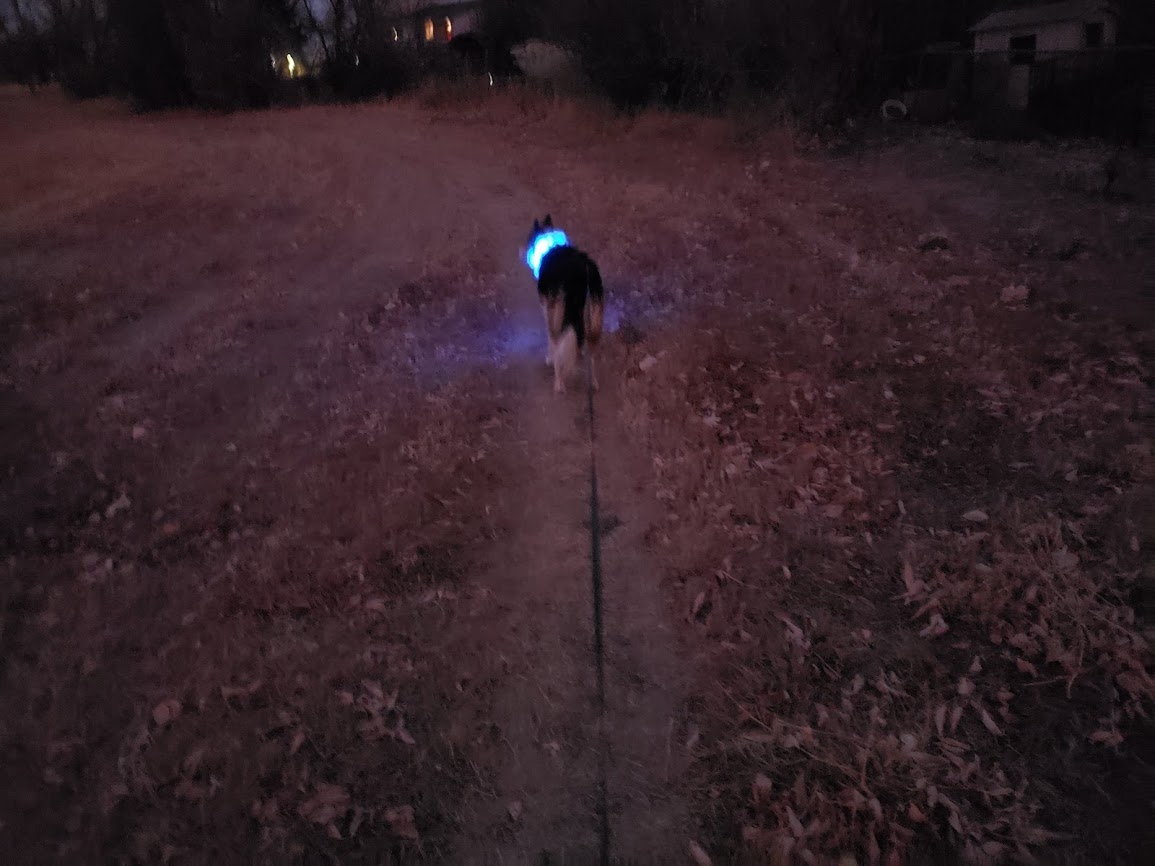
I’ll leave you with a picture of me, glowing in the dark.
Until next time, then.
 the miserable gardener