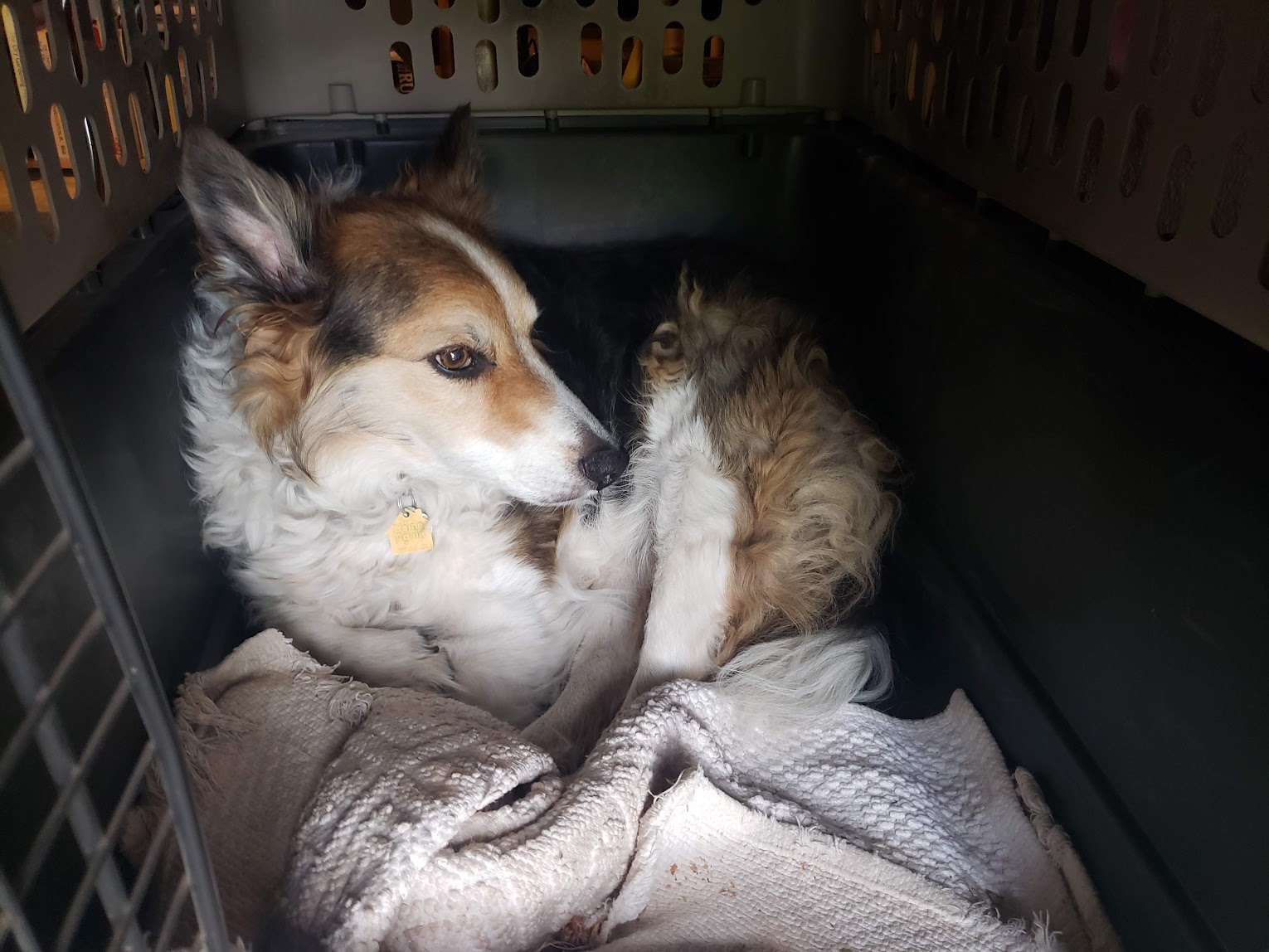
Greetings and salutations, everyone; yes, once again it is I, Mani the purebred border collie, filling in for the guy I live with, and here today to talk about yet another strange burst of energy. You may remember me from such posts as “Unhappy Landings”, among so many, many others.
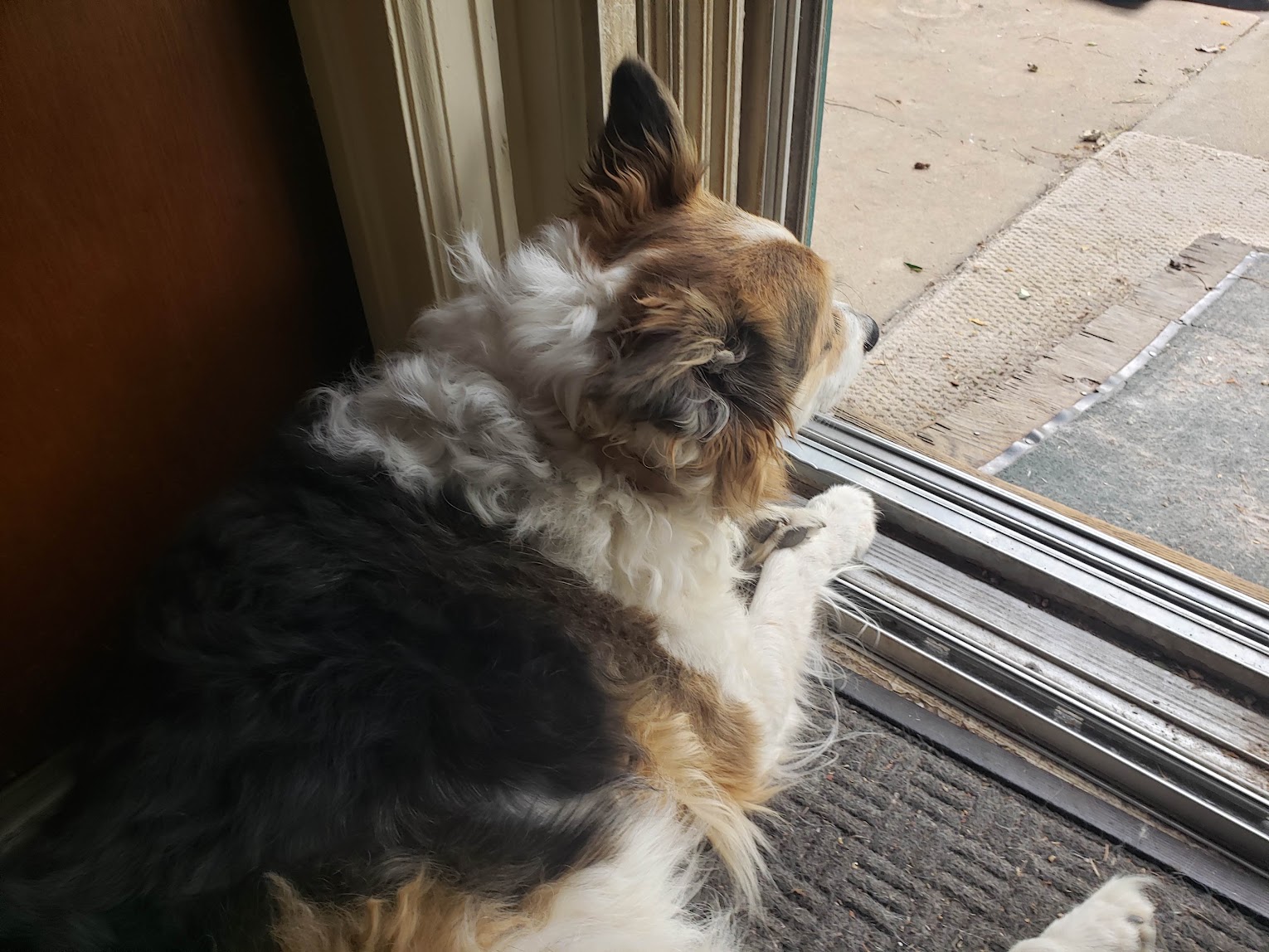
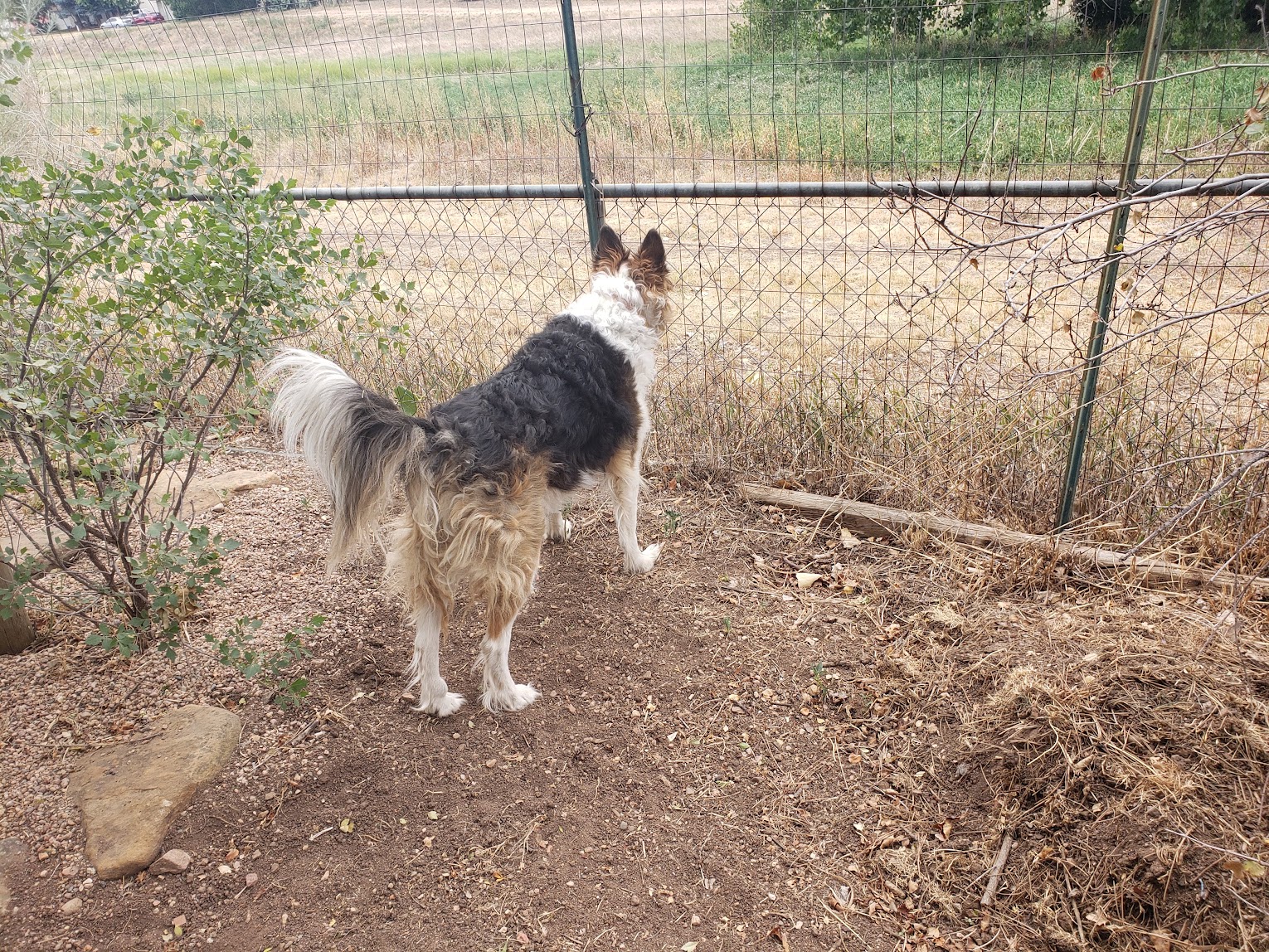
Here I am in a characteristic pose.
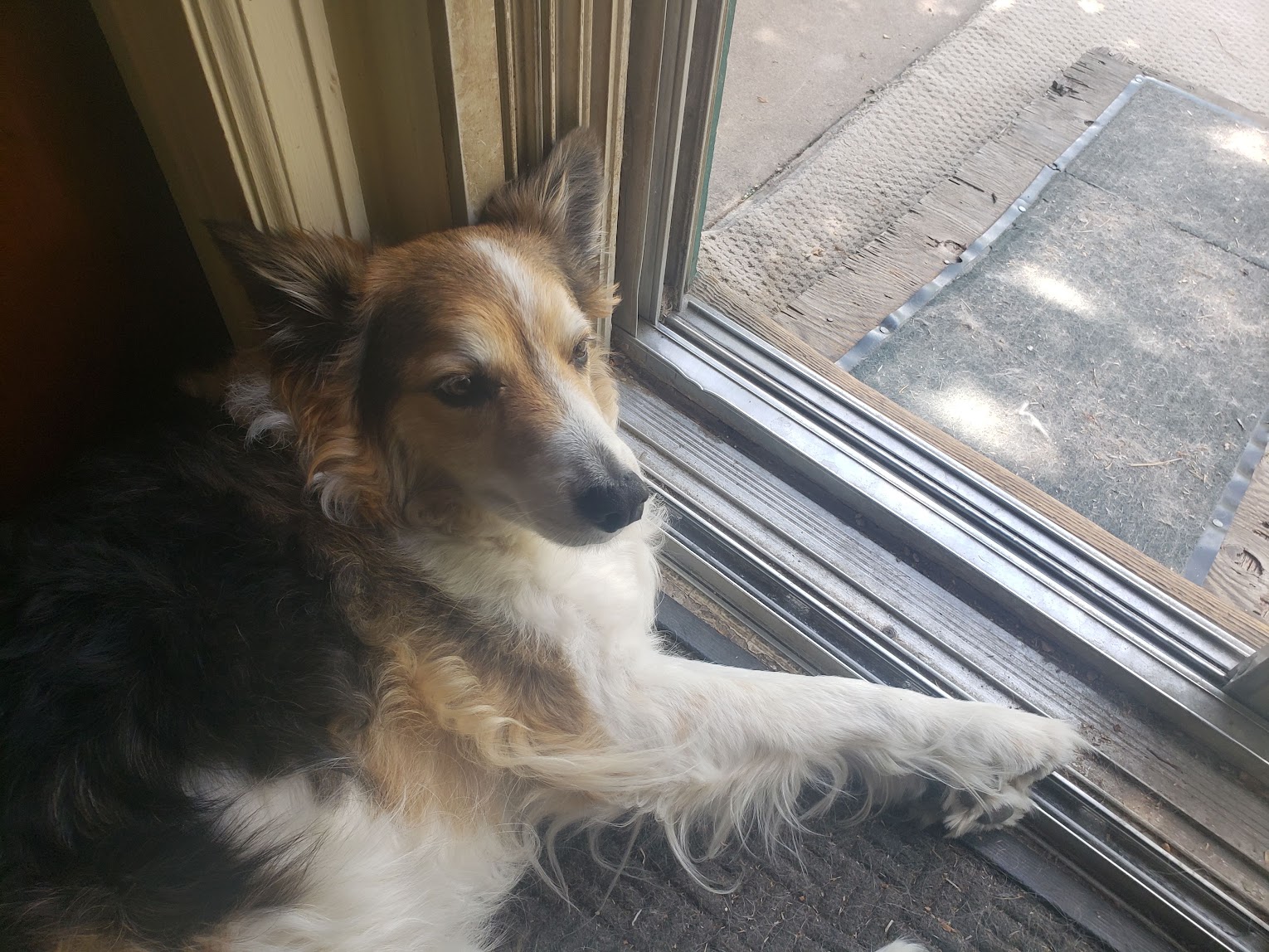 This is what I did for most of the day. It was too hot for me.
It wasn’t too hot for the guy I live with, and he told me he was tired of looking at all the “stupid vinca” and Brunnera macrophylla in the shade garden under the Wasatch or canyon maples, Acer grandidentatum.
So out he went. I could hear all the spading and hacking from my vantage point.
The guy I live with said some people claim Brunnera macrophylla is a good plant for “dry shade”. This is what it looks like in dry shade.
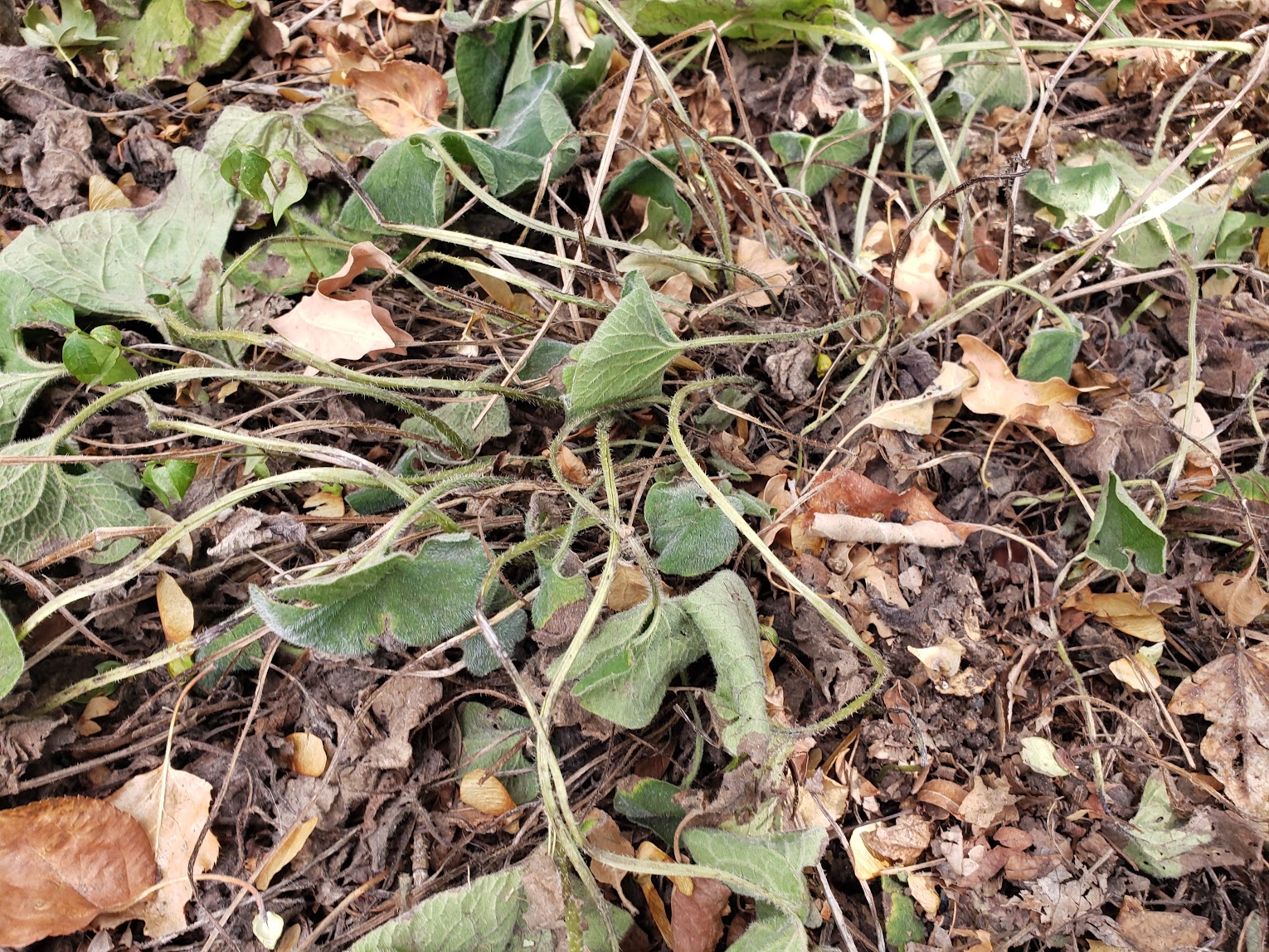 The late Henry Mitchell said something like “If you have to water it, why call it dry shade?”, and this is what the guy I live with thinks, too.
If someone printed a list of plants for “dry shade”, the guy I live with with say no to almost all of them. It’s true, as Olivier Filippi said in one of his excellent books, “everyone’s drought is different”, but the guy I live with said he only knows about the conditions in our garden, and would say no. Yes to Mahonia repens, yes to ivy (which he doesn’t want).
I think the brunnera is all gone now. The guy I live with said it’s hard to tell if it’s really all gone, because some will appear next spring and look fine, then collapse like this when it gets dry.
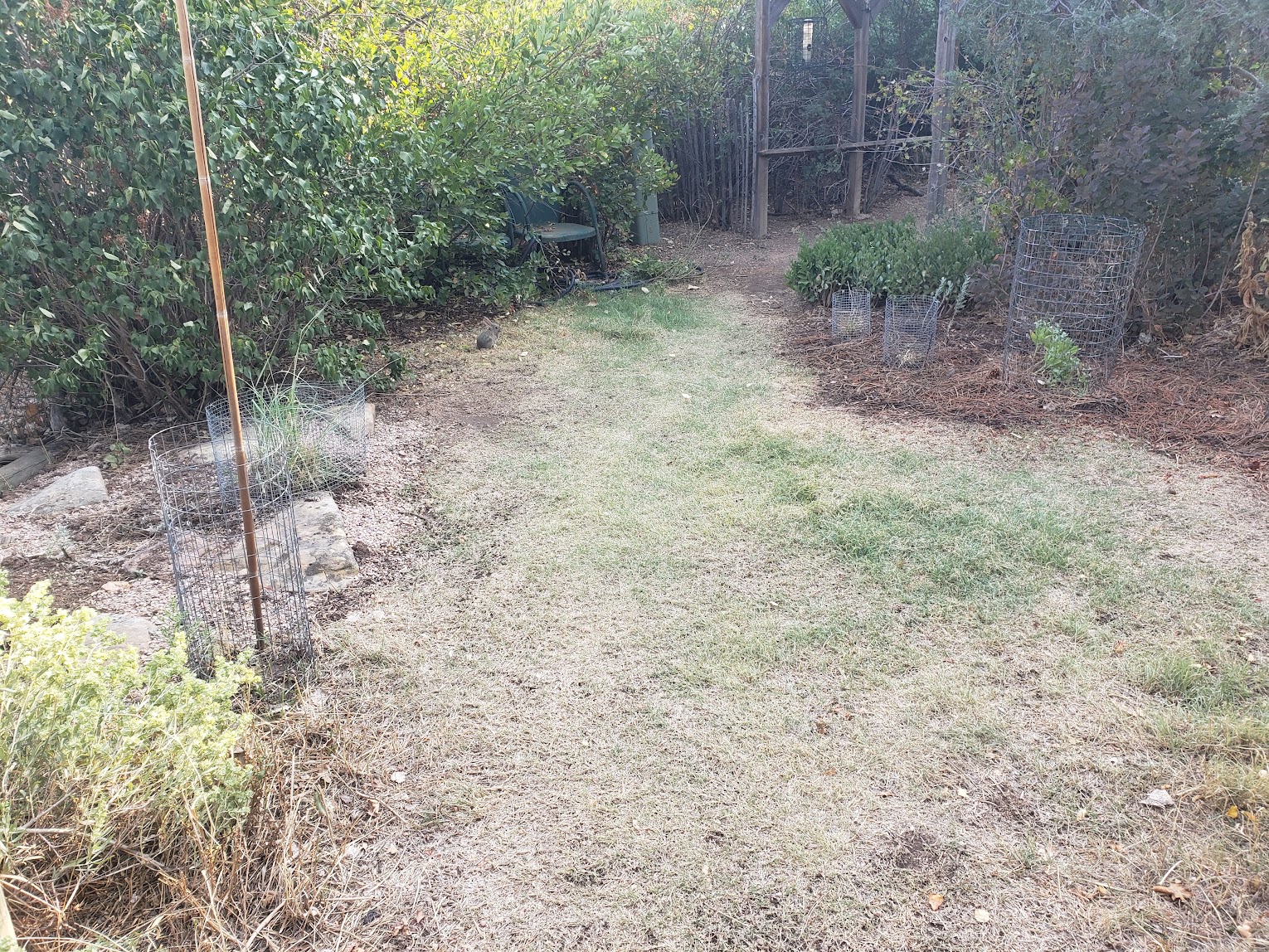
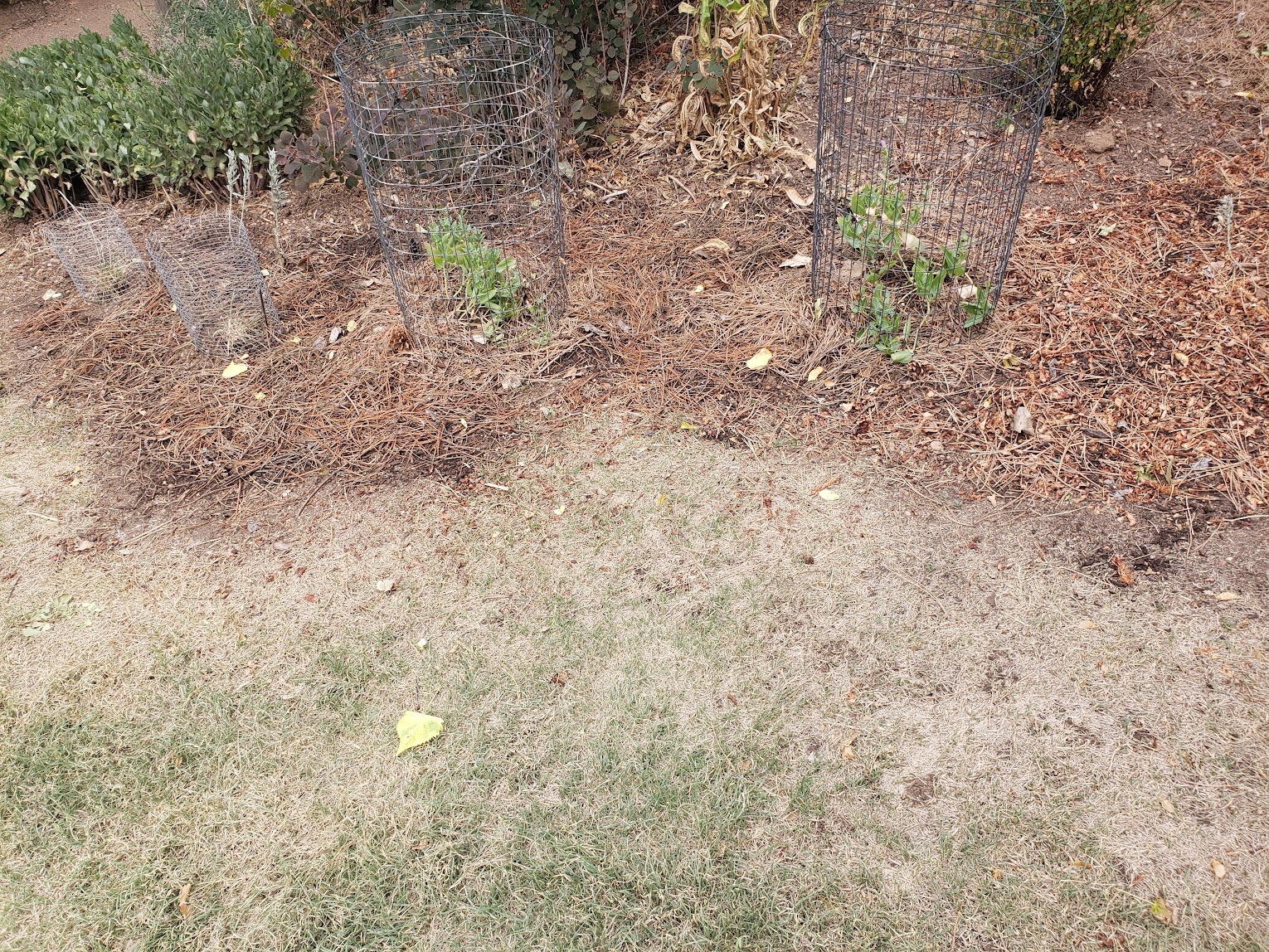
There should have been pictures of this garden before all the work started, but this is what it looks like now. Pretty empty.
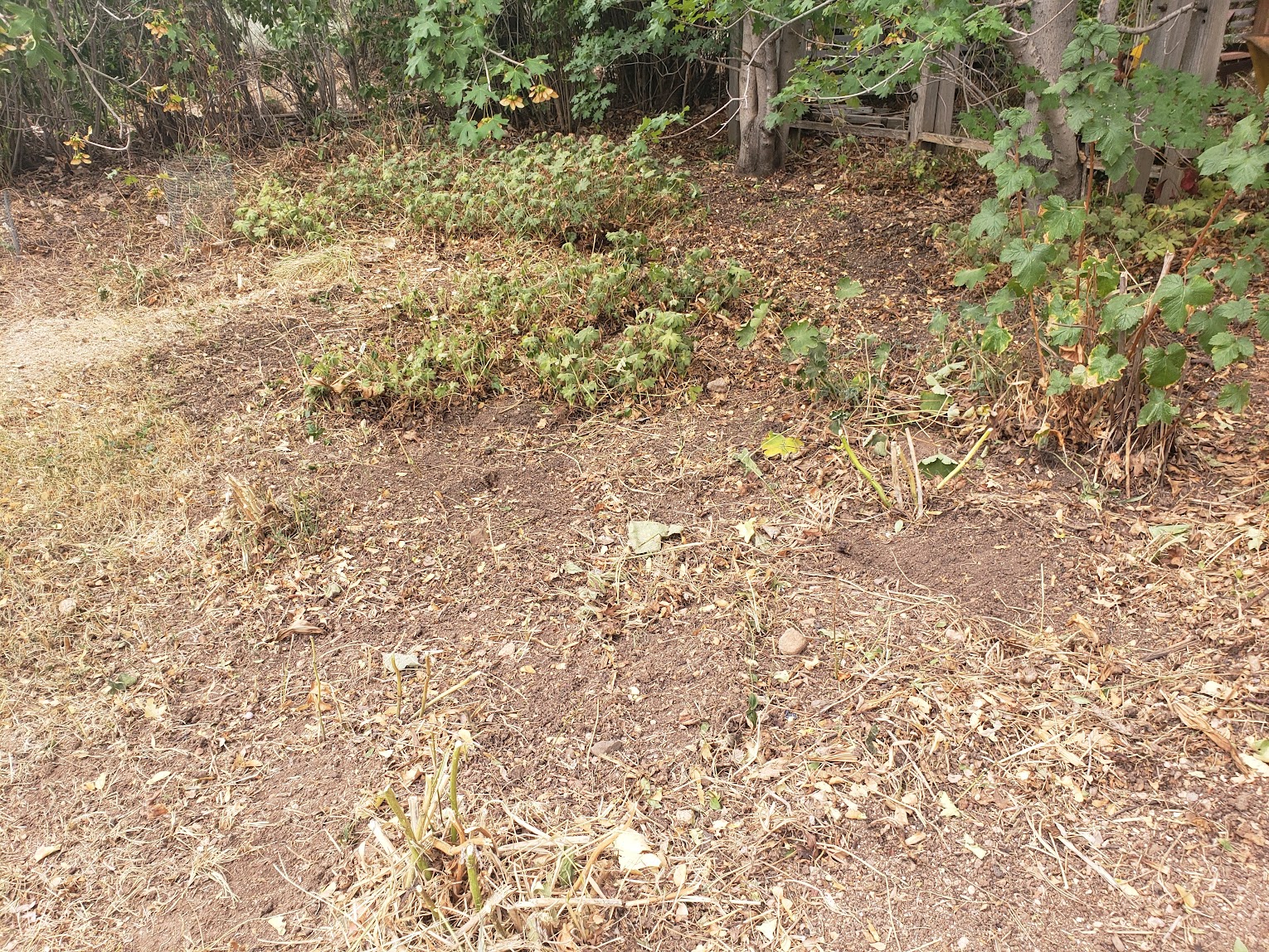 Aside from the maples, there’s Rubus ‘Benenden’, which is a cross between our native Rubus deliciosus and the Mexican species R. trilobus. As Trees and Shrubs Online says, after it flowers “one has a large, dull shrub for the rest of the year”, but that doesn’t bother the guy I live with. The lilacs here are duller.
And there are the three geraniums, which are holding their own in this extremely dry soil, made drier by the maples, no doubt.
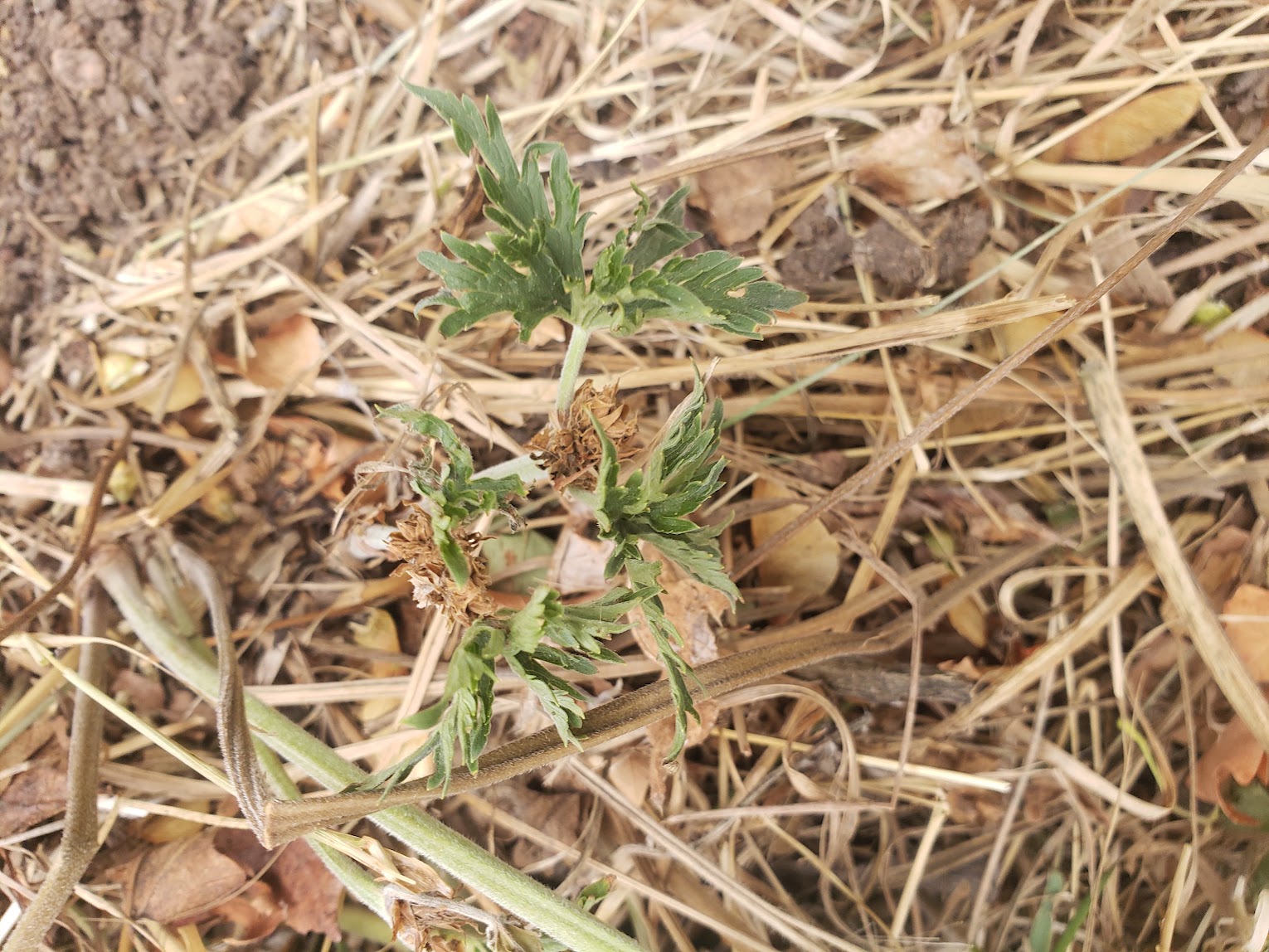
There’s Geranium × magnificum, or something similar, which is sort of barely alive, but still alive instead of dead.
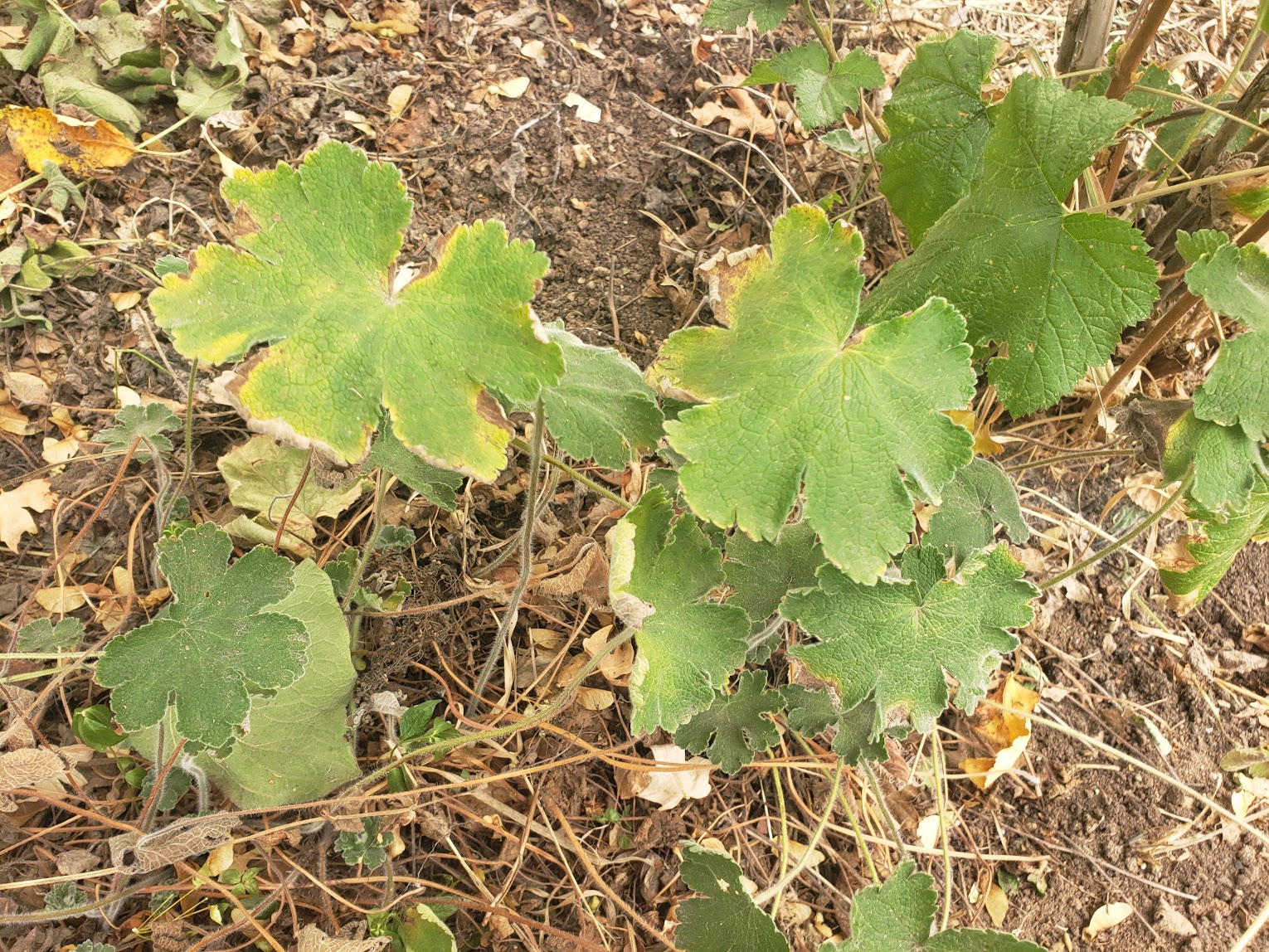
 And Geranium renardii.
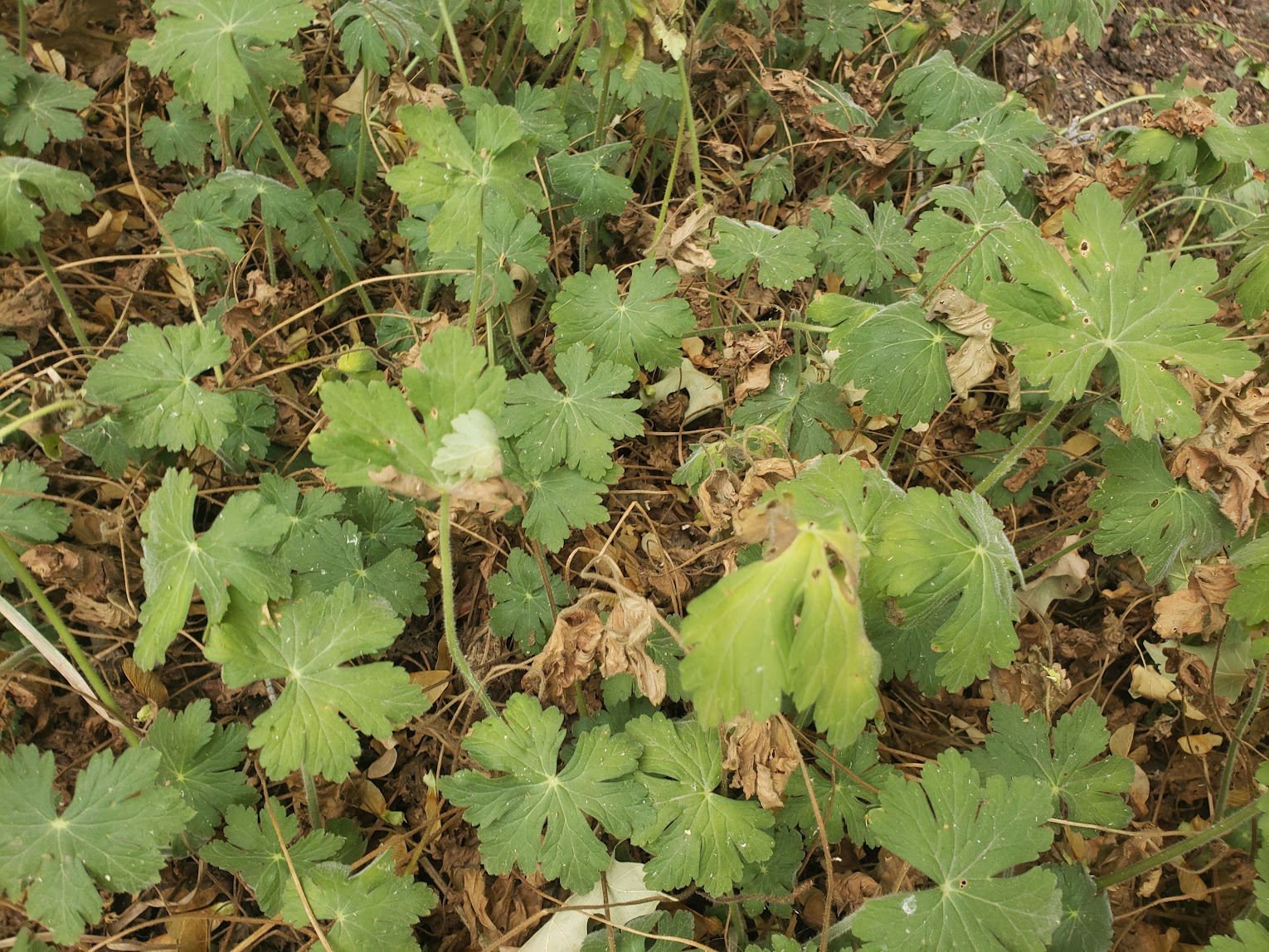
 And, finally, Geranium macrorrhizum, which is doing the best of the three. The guy I live with likes the smell of the leaves, a lot.
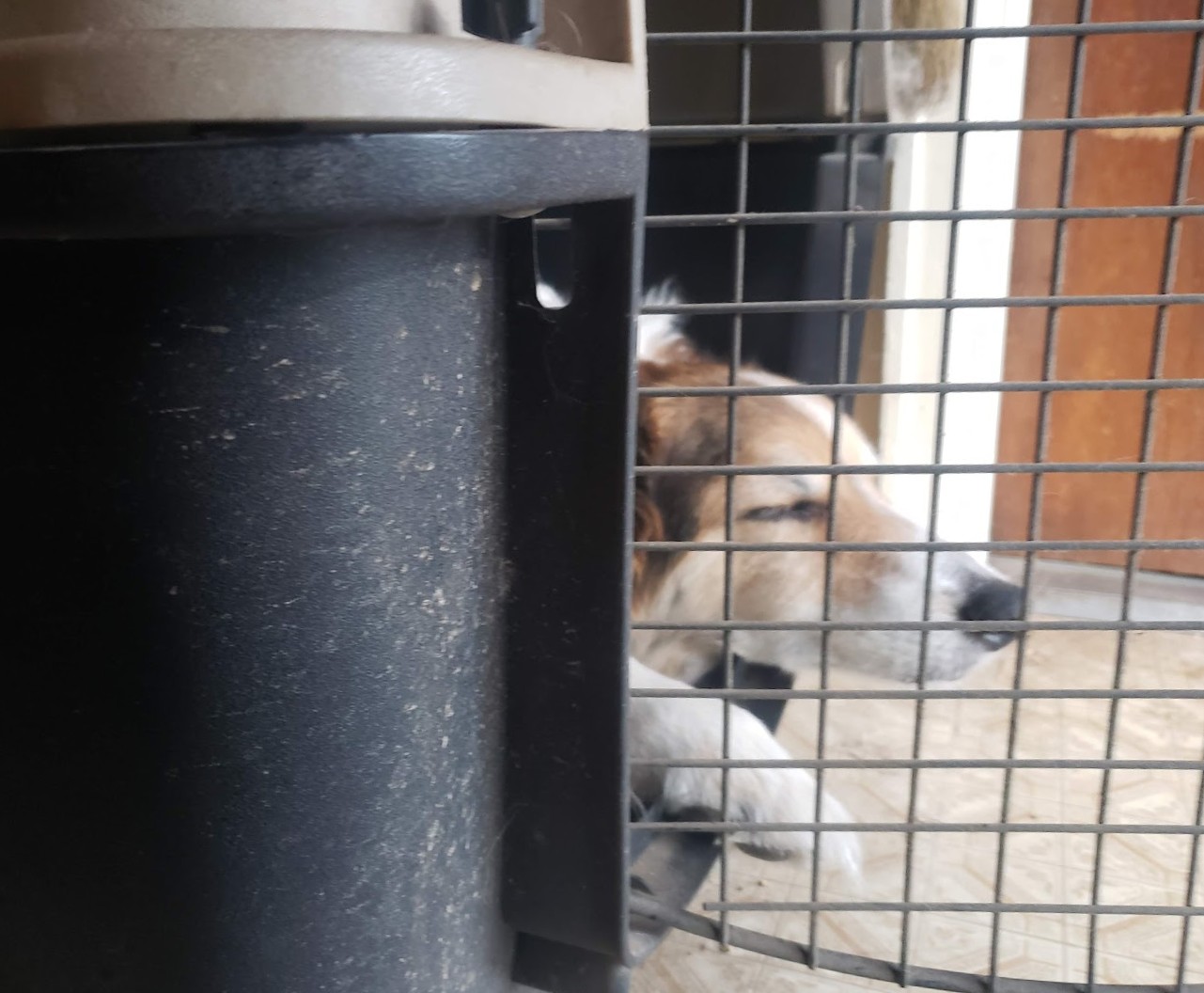
 And that’s my short post about the three geraniums. I’m not sure what’s going to happen next, but I know the guy I live with has been as happy working out in the back garden as I’ve been lying in front of the swamp cooler.
We make a good, complementary team.
Until next time, then.