
Greetings and salutations, everyone; yes, once again it is I, Mani the purebred border collie, filling in for the guy I live with, and here to talk about a few things, if we don’t pass out from the heat. You may remember me from such posts as “Roasting Again”, among so many, many others.
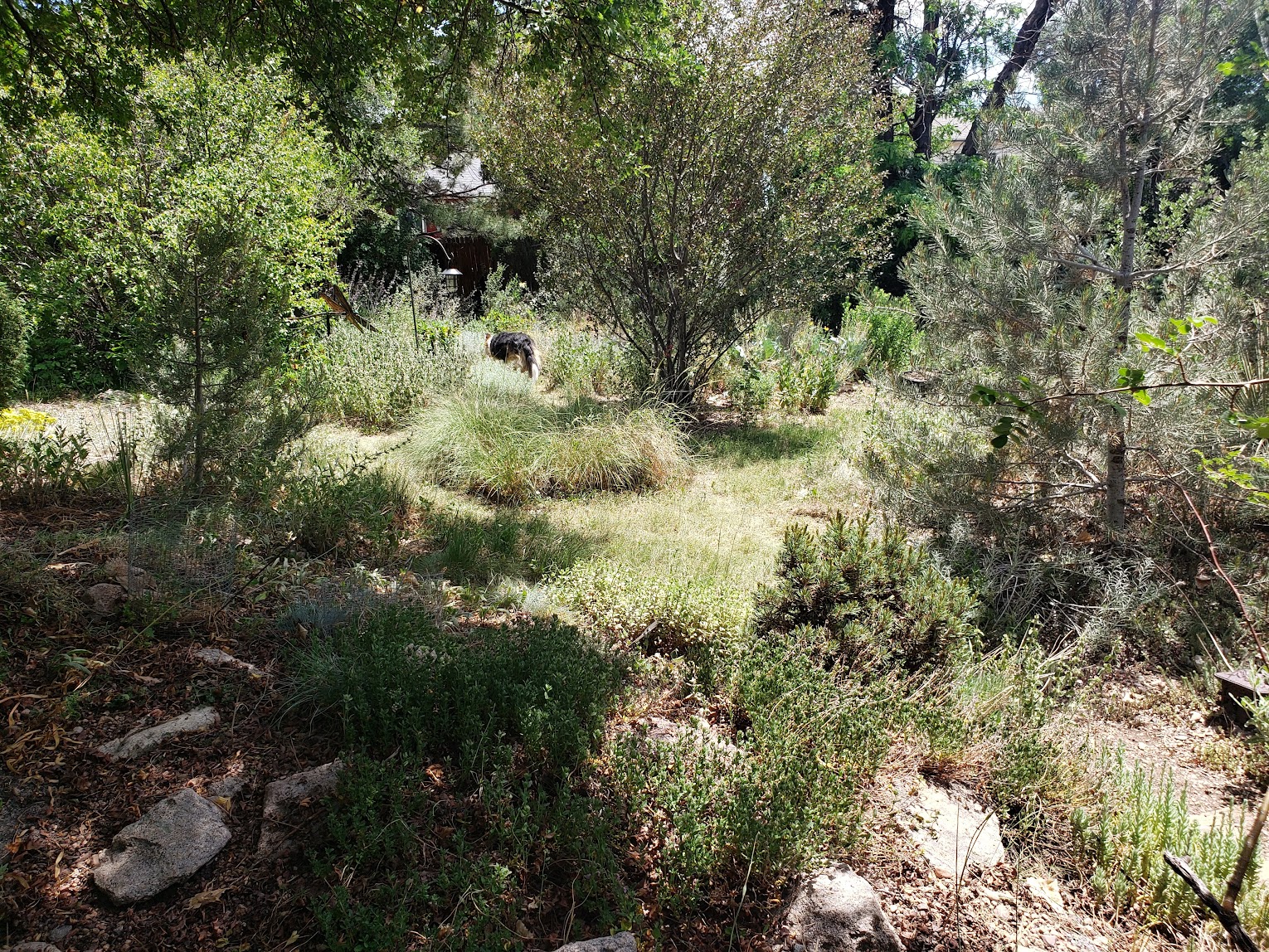
Here I am in a characteristic pose.
 It’s hot again. Big surprise. The last decent rain we had was a month ago. It’s just nothing but hot, and the guy I live with is in a bad mood. He says this weather is very, very tiresome.
It’s also that time of year to see a lot of bats. He took this picture of the sunset a few evenings ago.
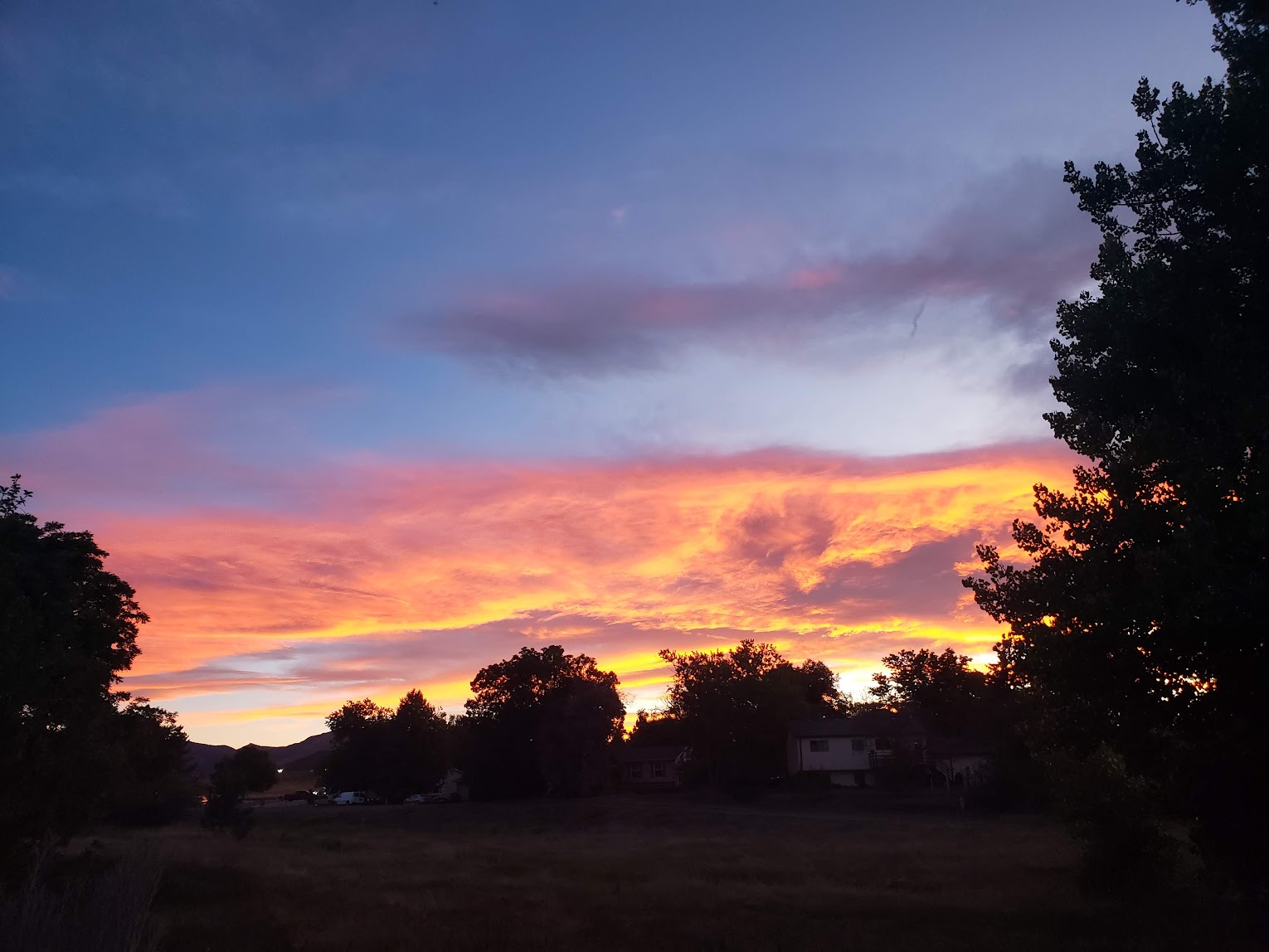 Then he stood at the back fence, watching for bats.
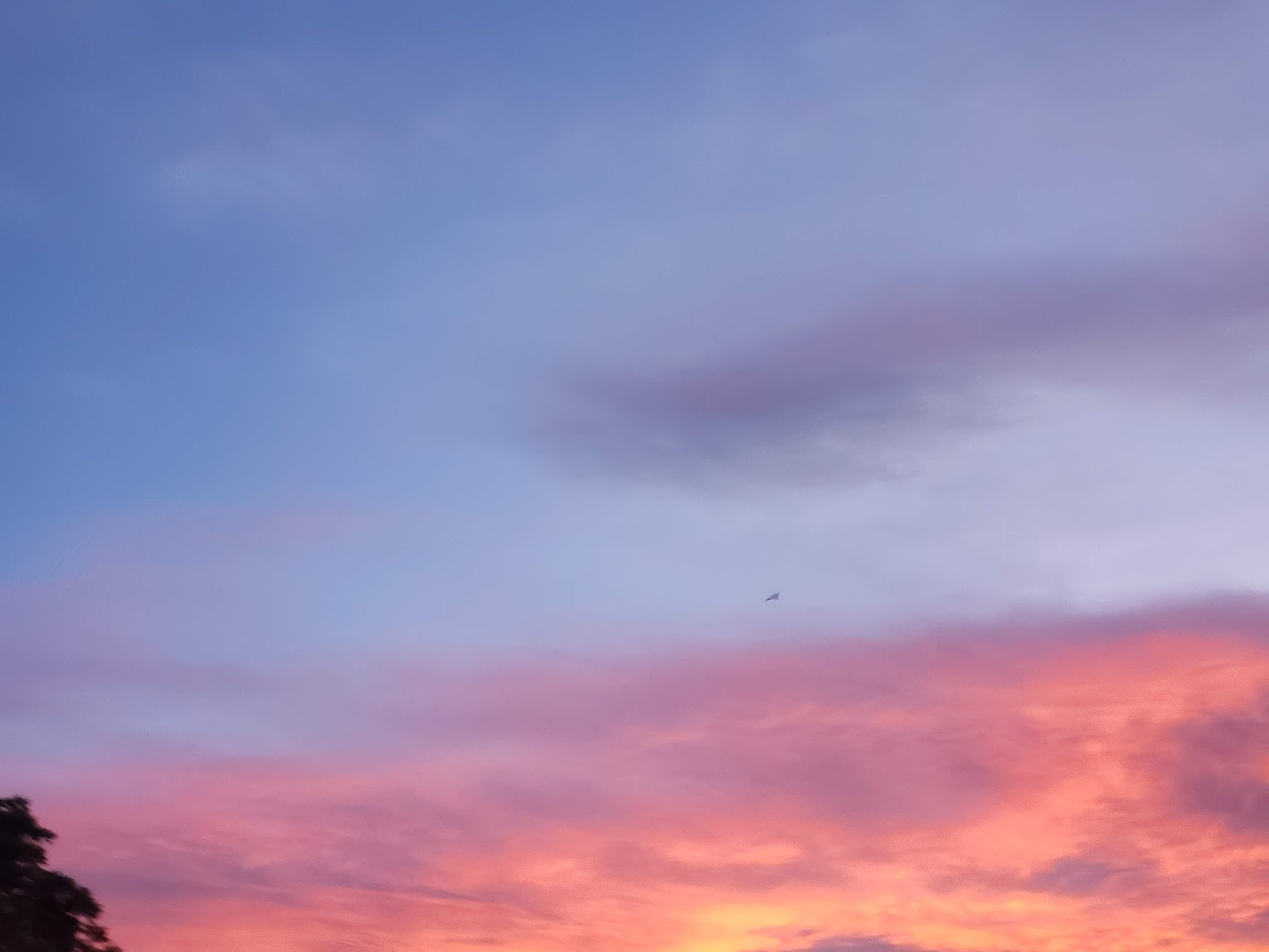
This is a bat. That little black speck. They fly very fast, and very erratically.
 Now down to gardening business.
The guy I live with went on a rampage and dug up all the Stachys byzantina ‘Big Ears’, which is also known as ‘Helene von Stein’.
The plants were wilting and drying to a crisp.
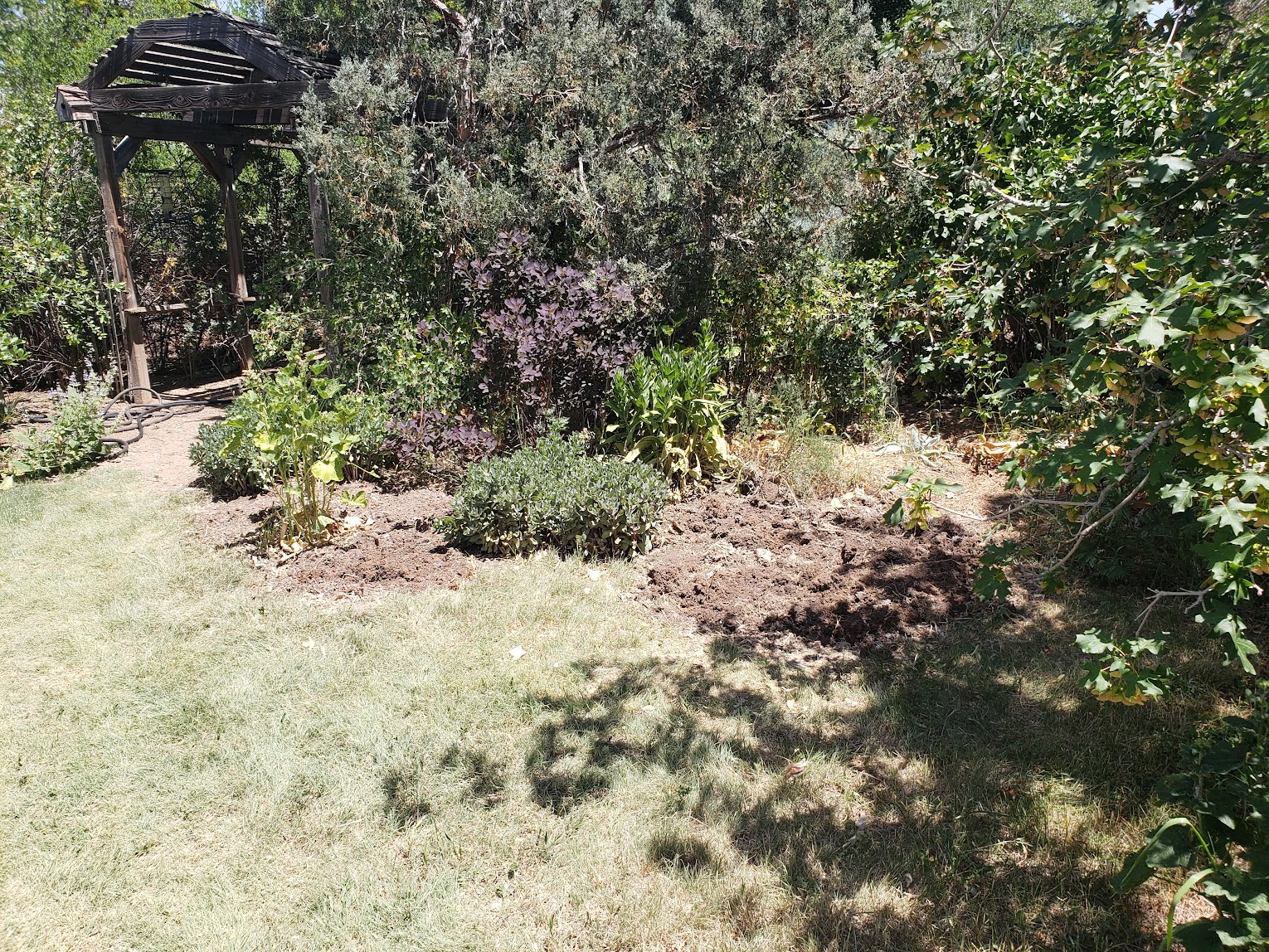 The sedums are going to go, too. He says they’re “too ordinary”. We really try to be non-ordinary in the garden, because our modern lifestyle tends to be pretty ordinary, so it balances out.
Remember the berm? Before he got rid of it, the guy I live with planted a couple of agaves there (Agave parryi) and a hesperaloe he transplanted from elsewhere in the garden.
Rabbits started gnawing on them, so all the plants went back on the shelves.
You can see the one in the lower left pot was particularly gnawed on. The hesperaloe too.
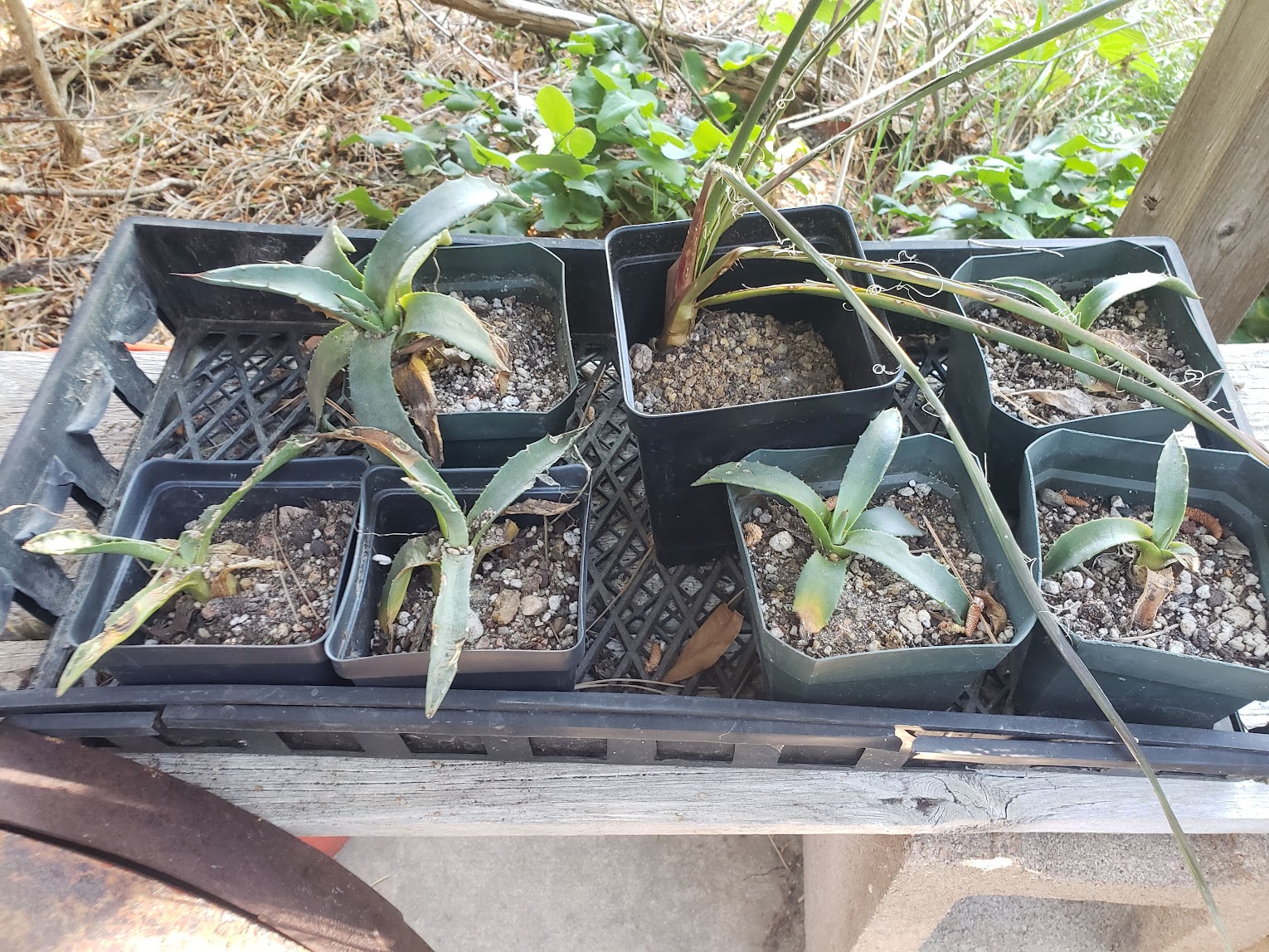 The rest of the agaves have been sitting on the shelf ever since they were dug up from another part of the garden, earlier this year.
So far this is all regular gardening. Getting rid of plants that becoming boring, digging up plants to move them elsewhere, and so on.
But now, there are these plants. These are Monardella macrantha ‘Marian Sampson’. Mostly planted to entice hummingbirds.
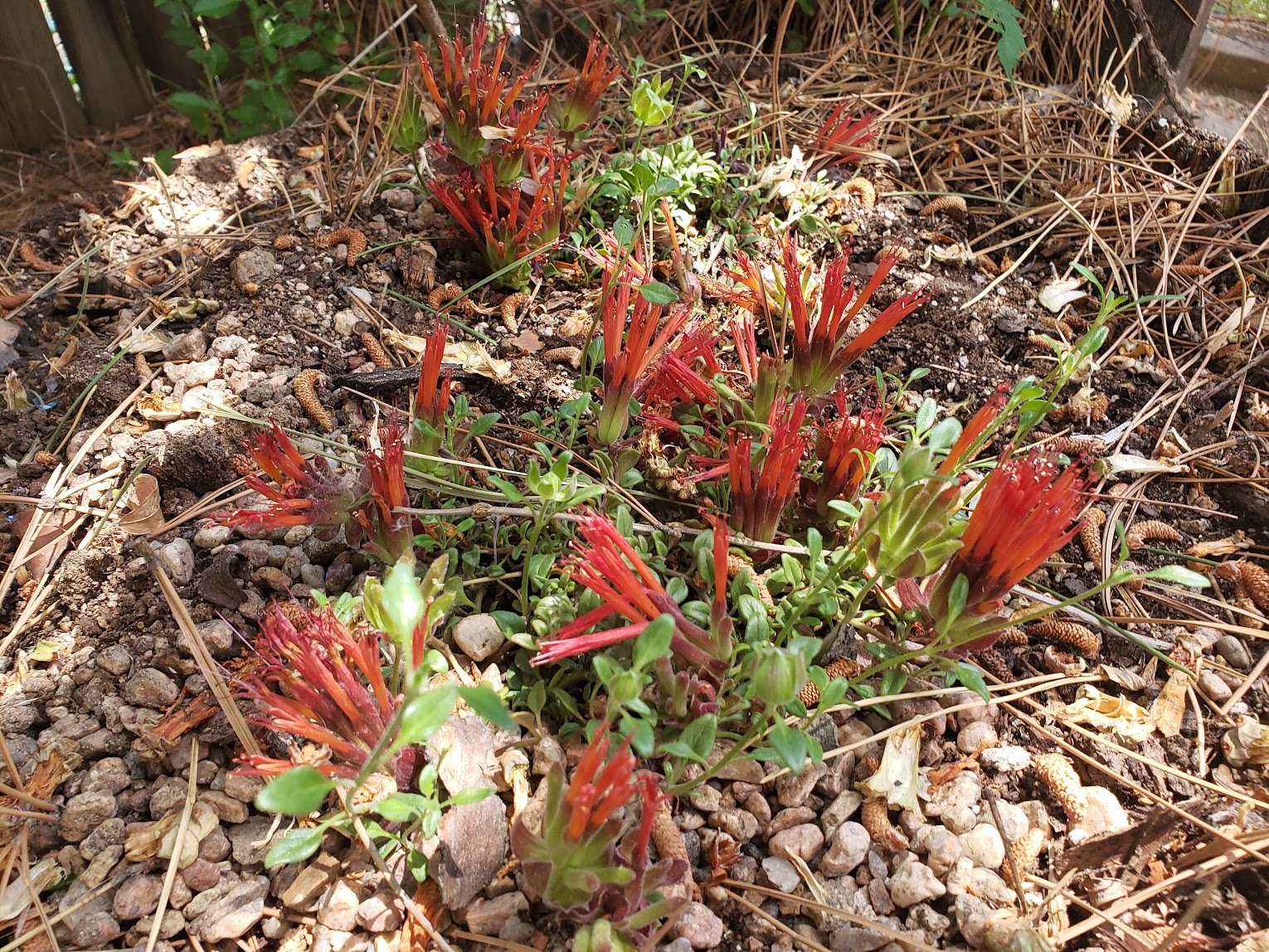 The guy I live with has tried these plants on and off for several years now. They linger, and then die.
Everybody, or almost everybody, says these can be grown “dry”, which the guy I live with seriously doubted, since they’re in flower at this time of year. Those two things, “dry” and “flowering”, almost never mix. There are exceptions of course.
He looked at Calflora, the website for native plants of Calfornia. That site says the monardella flowers from June to October, in Southern California.
That of course made him wonder.
It turns out that the monardella is found in the Transverse and Peninsular Ranges, so he figured there’s more water there, and that the monardella must grow in places where it has access to water in summer.
It would be best on drip irrigation, but the guy I live with has two Haws two-gallon watering cans and has been carrying them around the garden watering new plants, of which there are about a dozen. The monardellas are in a half-whiskey barrel right next to the patio, in a little shade.
The next thing was a purchase of some Agastache aurantiaca, also for the hummingbirds.
He saw recommendations that these be watered about every two weeks. I could see him raise his eyebrows.
The leaves certainly don’t look like those of every-two-weeks plants.
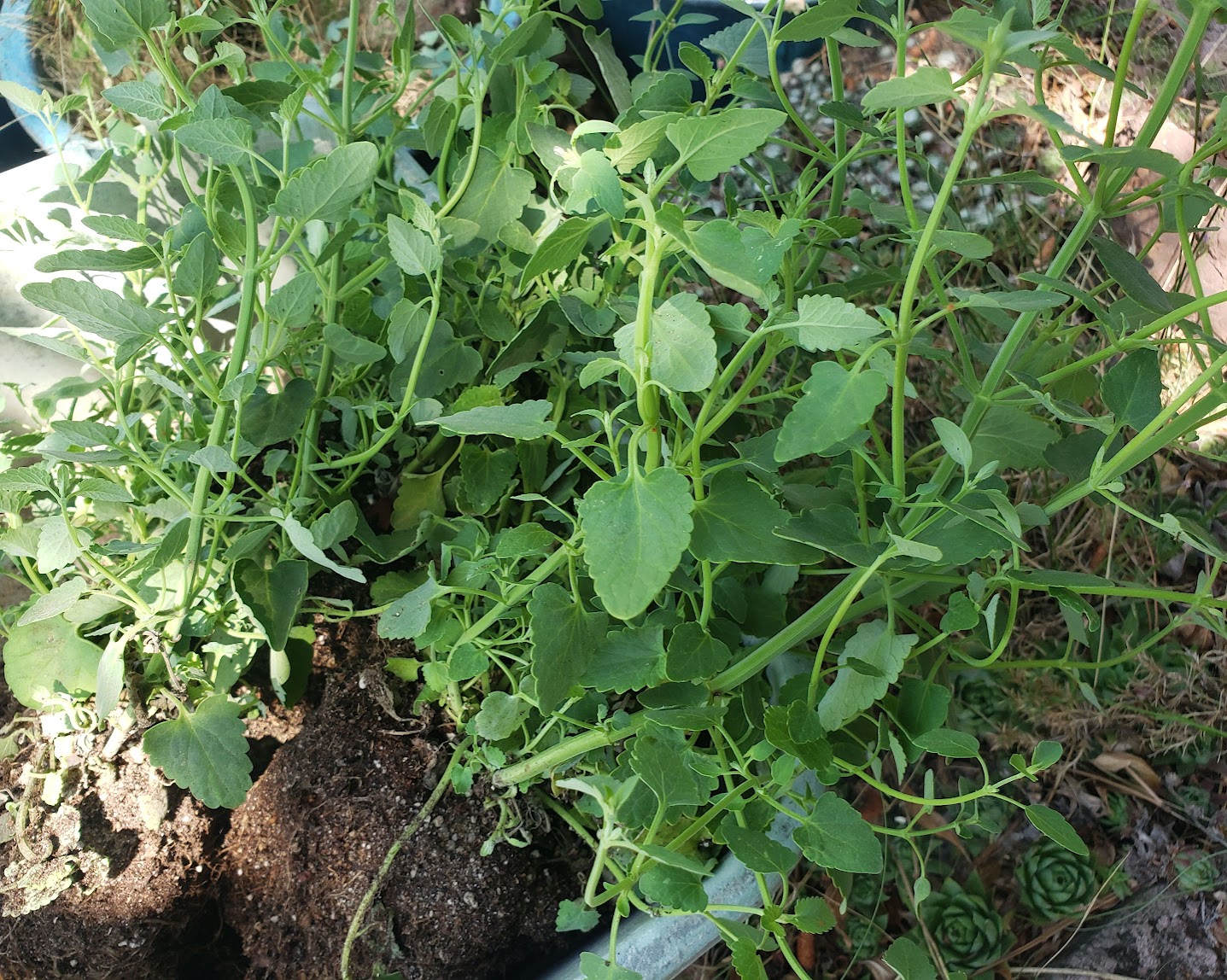 True, plants like catnip have leaves like this. He was planning to plant them in pots, anyway, and so he did that.
To get more information, he looked at SEInet, the database for plants from Arizona and New Mexico, but they also have herbarium specimens from south of the border, and he found some specimens of Agastache aurantiaca from near Creel, Chihuahua, growing in Madrean pine-oak woodland.
So he looked up climate data for Creel. The record cold temperature is slightly colder than that of El Paso, where Agastache cana was first found, and that seems to be completely hardy, so hardiness probably isn’t an issue with aurantiaca.
But Creel receives an average of a foot of rain in July and August together.
He went out to look at the potted agastaches the next day and found they were completely wilted.
The guy I live with began to get Planter’s Remorse, a condition he’s afflicted with from time to time.
He thought and thought about this. Since he didn’t have a Madrean pine-oak woodland, he decided to unpot the plants and plant them in the garden in partial shade and water them, just for the hummingbirds. He didn’t expect, or really need, gigantic specimens like you can see in irrigated gardens; just some flowers.
The roots were already off to a good start, leaving the rootball, thanks to his Super Genius method.
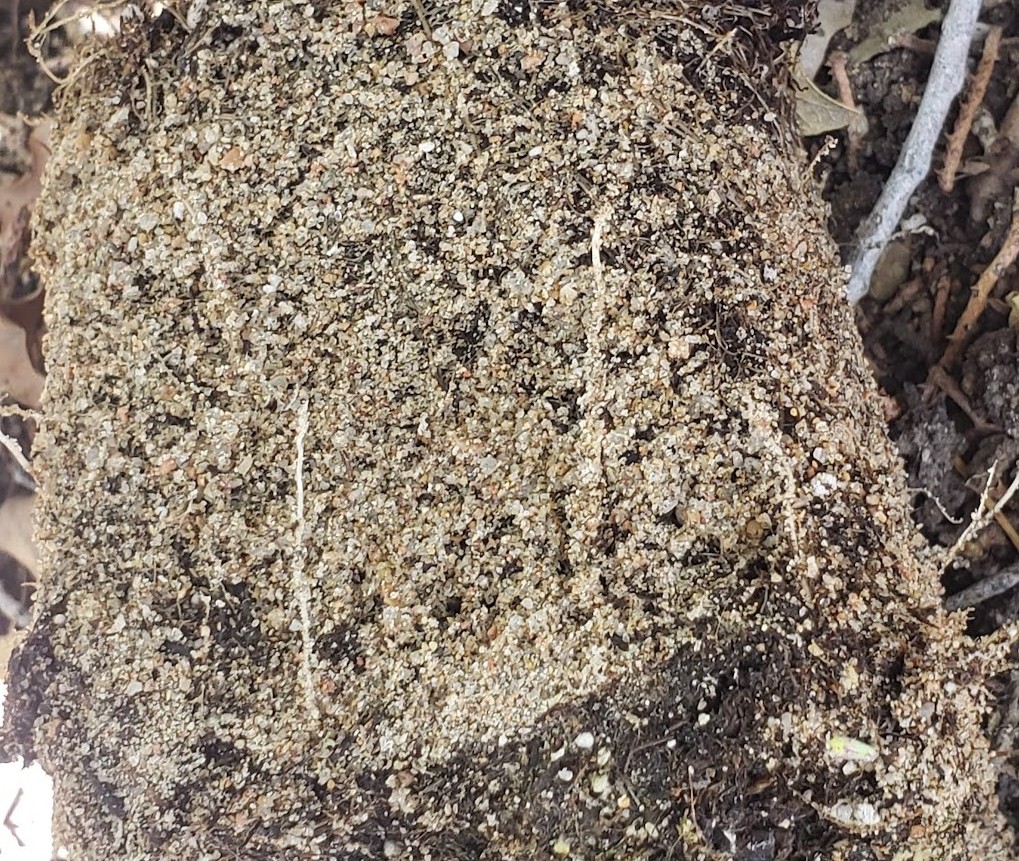 The plants will be heavily mulched, maybe with dog hair according to the guy I live with, since there’s so much of it right now (don’t ask me where it’s coming from), and maybe, just maybe, the plants will survive, and maybe (etc.) they’ll survive the winter, too.
Okay, that’s really all I have for today. It was exhausting talking about all of this. A nice picture of the water in the canal might make up for it.
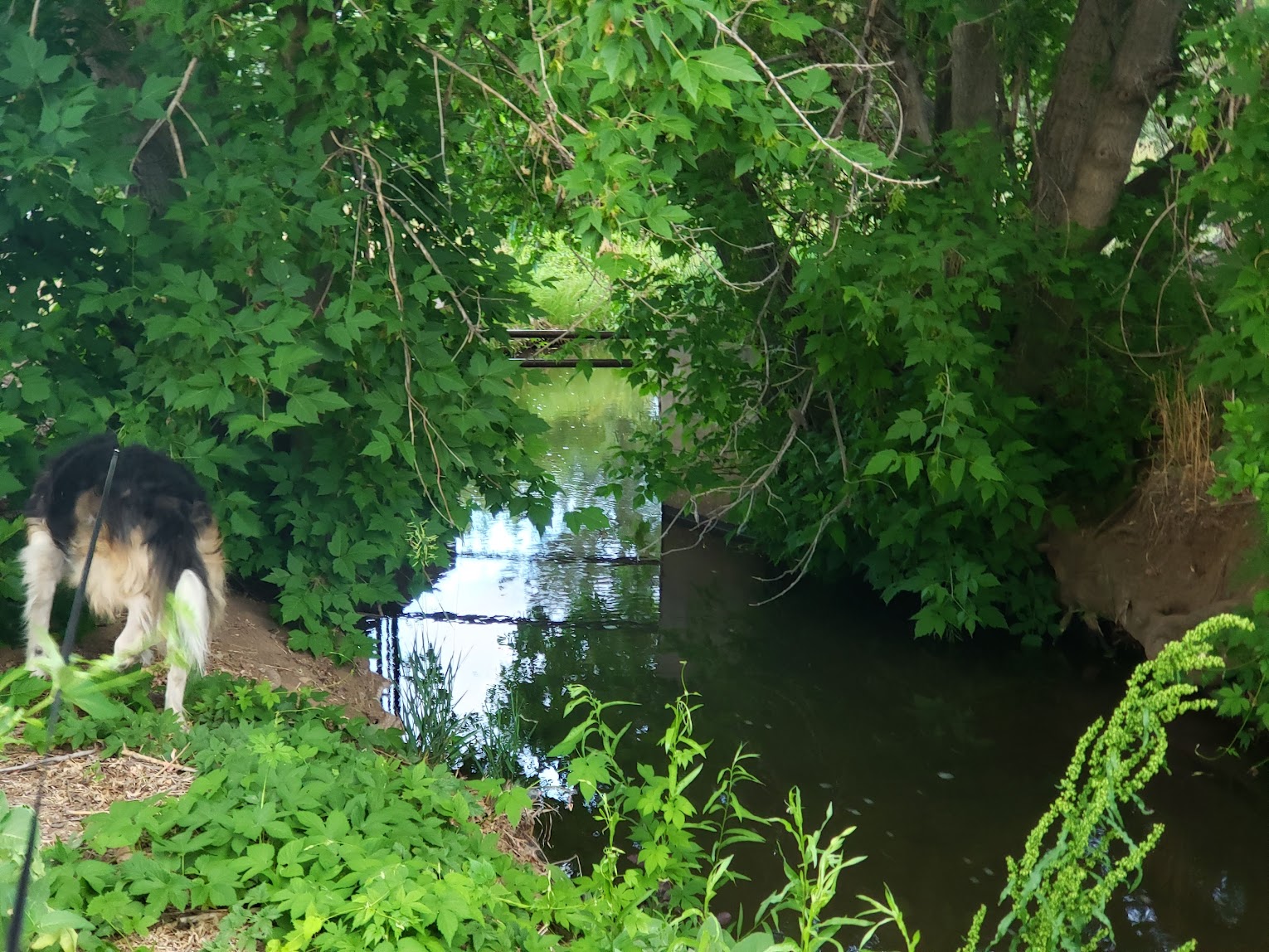
Until next time, then.


A very unusual and uncommon plant selection to my eyes! No shortage of rain here, as usual.
The guy I live with says these plants are commonly available here, but they need a bit more water than most of the plants here. They’re to entice hummingbirds.
The drought here seems endless. 30-35C every day. Very tiresome.
When it’s time for a plant to go, you know.
I hold no judgment on what other gardeners take out, but will forever bemoan the two spectacular Cercocarpus intricatus (about 5’ H and 4’ W) which two nearby residents chopped down because they wanted “only native plants.”
That canal shot looks lush!
Removal of the cercocarpus would make the guy I live with furious. It is native to Colorado.
So are the hops on the ground in the last picture. As is the boxelder I’m under.
Seeing water in the canal is very pleasant. I haven’t gone in yet, this summer. You can see the remains of the sluice that provided water to a long-gone farmhouse, too.
Yes, the Cercocarpus in my garden are at the top of my “favorite natives” list. I walk by the scene of the horticultural crime on most days, with my dog, and still I mutter.
The guy I live with says there are three here, in the front garden. He bought them at Evergreen Nursery maybe about 1995.
That was a nice nursery, he says, way before my time.
That’s really interesting background research about the Agastache and how it compares to Creel, Chihuahua. We were there in 2010. It sure seemed dry then, but it was winter and that area typically gets the “monsoon” rains that are common in the Desert Southwest. I am often surprised by the number of plants available in US nursery trade that come from the Chihuahuan Desert, including quite a few that survive and do well up here in Oregon where it is wet most of the fall and winter. I get planter’s remorse all the time – buying plants that I later wish I hadn’t or that suddenly die because the roots can’t supply enough water in our heat, even though the root ball is perfectly moist. Some plants just seemed destined to die. Too bad it’s often the ones I choose to invest in.
The guy I live with likes doing research like this. The city of Durango gets about the same amount of summer rain.
There are quite a few penstemons around there; red-flowered ones, mostly. The guy I live with grew a few for the penstemon book but they’re almost impossible to find now, as seed of course.
It is surprising that so many plants from Chihuahua and Nuevo Leon, especially, are hardy here, but they’re not desert plants. What else is surprising that Salvia darcyi is hardy here when the record low in Galeana, NL,near where it was found, is only 16F. And that other plants, like agaves that grow pretty near the salvia, aren’t hardy here at all. (Well there is a reason for that; the salvia dies back for the winter and agaves don’t.)
After the guy I live with’s wife died he went on plant-buying sprees which he regretted later. A lot of the plants died, and he gave a lot away to neighbors. It was some comfort to walk through nurseries, though.
Now he’s a lot more cautious when he looks at plants for sale.
Mee-yow that was one BIG reeport Mani! Yore Guy has been sue-purr busy plantin an diggin an movin plantss an doin all that gerdenin!! Hee DID innspire BellaSita to go out an trim plantss inn our wee Garden…it was lookin like a jungell…. Shee meowd to me shee admiress Guy alot fore doin so much werk…(shee lastss an hour if wee are lucky!) You look wunderfull purr ususal Mani…an THE canal lookss so innvitin…wee hope youss’ get rain soon!
***purrss*** BellaDharma an (((hugss))) bellaSita Mum
Thanks. The guy I live with has really been working a lot in the garden. He says there’s a lot more work to do, too.
They said we might get a bunch of rain and even hail tonight, but then they changed their mind. No rain for us, I guess.
I haven’t gone into the water yet. Sometimes I do, when my paws get really hot.
Mee-yow Guy iss tenashuss Mani!! BellaSita went to help one of our frendss inn buildin with her garden at THE front. BellaSita did a REELLY guud job to get rid of weedss….only to find out Housing iss gonna RIP THE entire garden out! An THE Ground covurr iss not a proper plant butt Gout Weed!! Doess Guy nose anything about that weed? It spread like wildire!
Yes, the guy I live with knows about that plant. They call it “bishop’s weed” here, and it does run all over the place.
We don’t grow it.
(There’s also the bishop’s weed in Indian cooking, called ajwain in Hindi, different plant; the seeds are excellent in parathas and so on.)