blathering about bulbs

Even though the garden center where I buy a lot of bulbs decided to raise its prices, I still sprung for several bulbs of Fritillaria persica, because I thought they would be a valuable addition to the garden, and make a dramatic statement.

There is a small colony of these already present in the garden; the bulbs have been there for over twenty years. If they could read, they would have been dead by the end of their first year.

Fritillaria persica, and the often sympatric F. imperialis, which grow on sunny, rocky hillsides in Turkey, Iran, and adjacent areas, are said to require “humus-rich, well-drained soil” in order to thrive. Need humus to retain water, but need drainage not to retain water. Just the sort of conditions you might find on sunny, rocky slopes. No wonder the things are said to be difficult to grow.
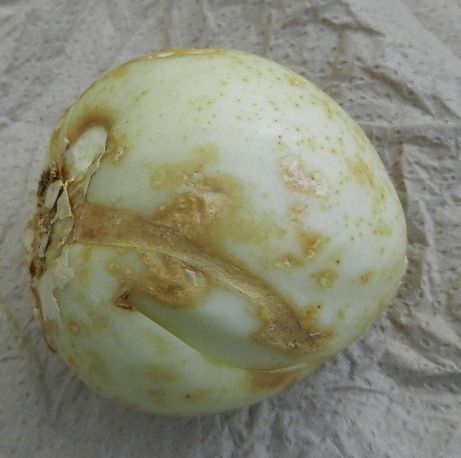
the bulb
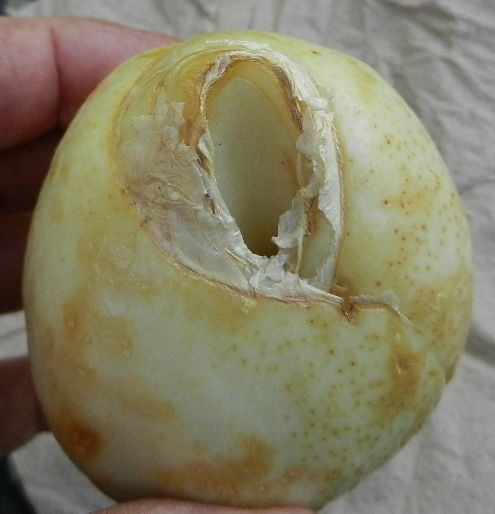
The top of the bulb. The hole is from last year’s flower stalk, and people recommend planting the bulb at an angle so that water doesn’t lodge in the hole. Or not. Not, in my case.
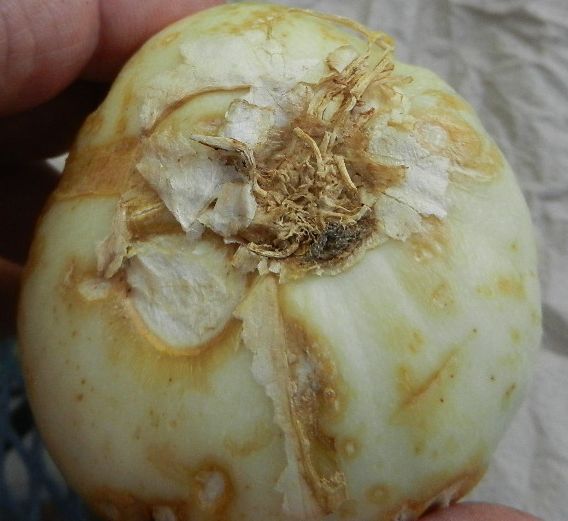
 

The bottom. Where the roots emerge. In fact, knowing which side is up, or down in this case, really does matter.

Some people would use a bulb-planting tool for the planting operation. I use a planting spear from Way Cool Tools instead.
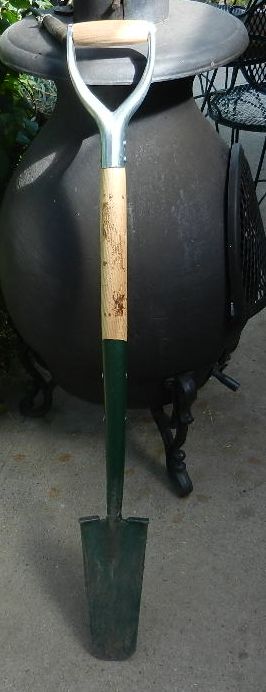
planting spear
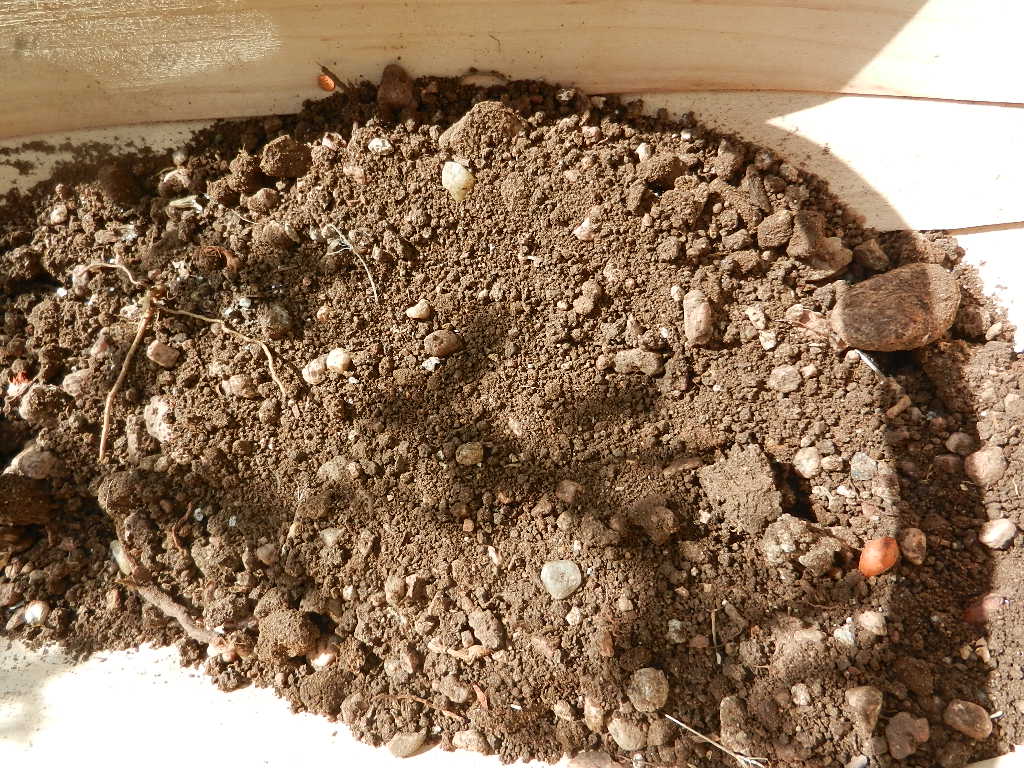
 

the right kind of soil for Fritillaria persica
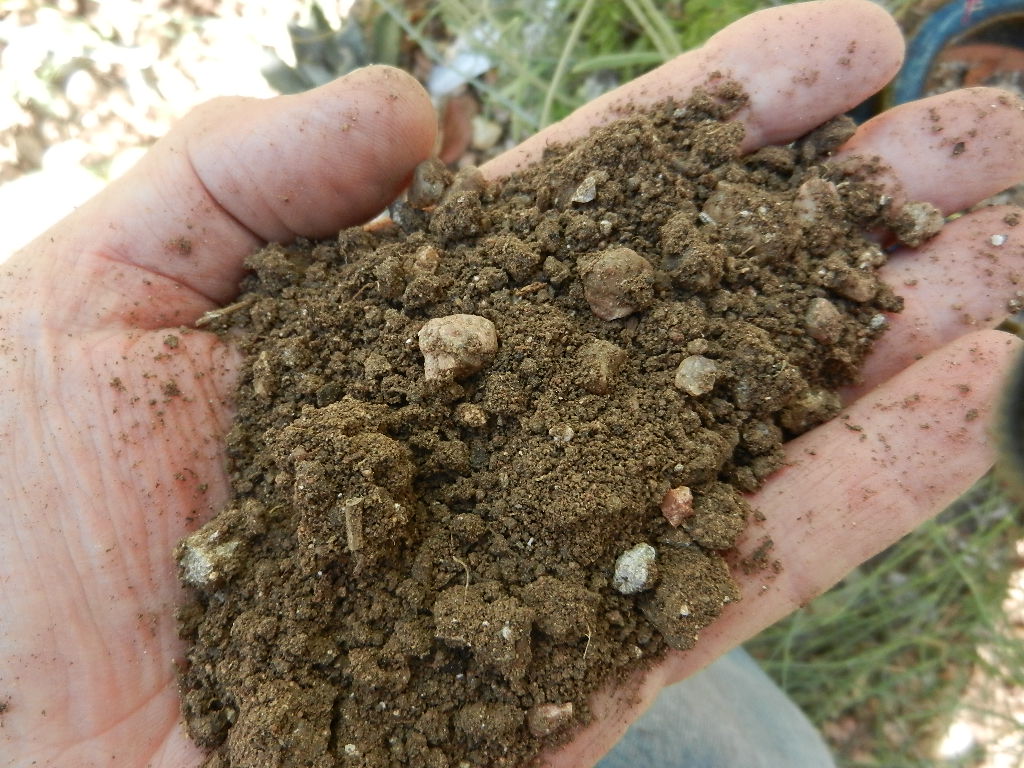
 

perfect texture

Looking down into the planting hole, with camera strap accidentally included, and shaft of sunlight symbolizing sudden enlightenment. Fruit of Opuntia macrocentra var. violacea just happened to be teetering on the edge of the hole, indicative of the kind of companion plants suitable for this bulb.
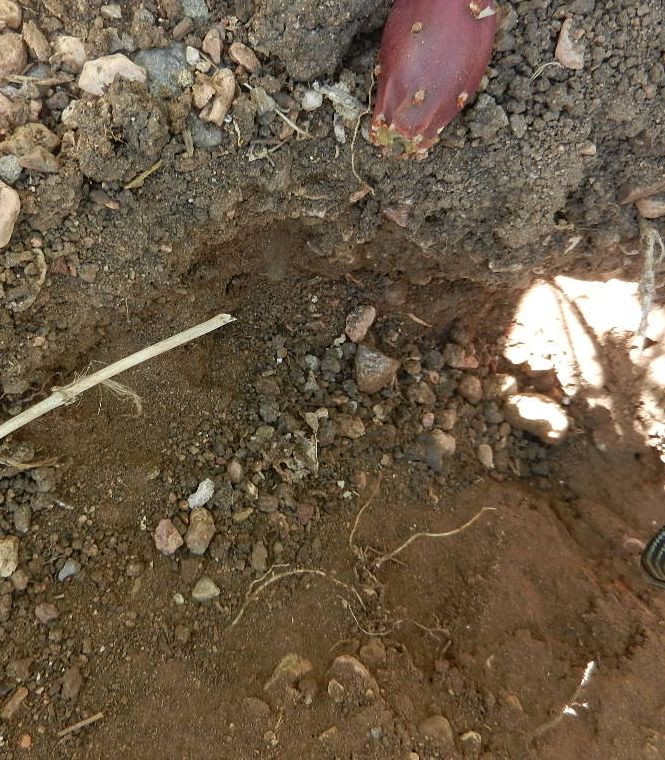
the planting hole
 

Posted in Uncategorized | Tagged , | 2 Comments

more naked ladies

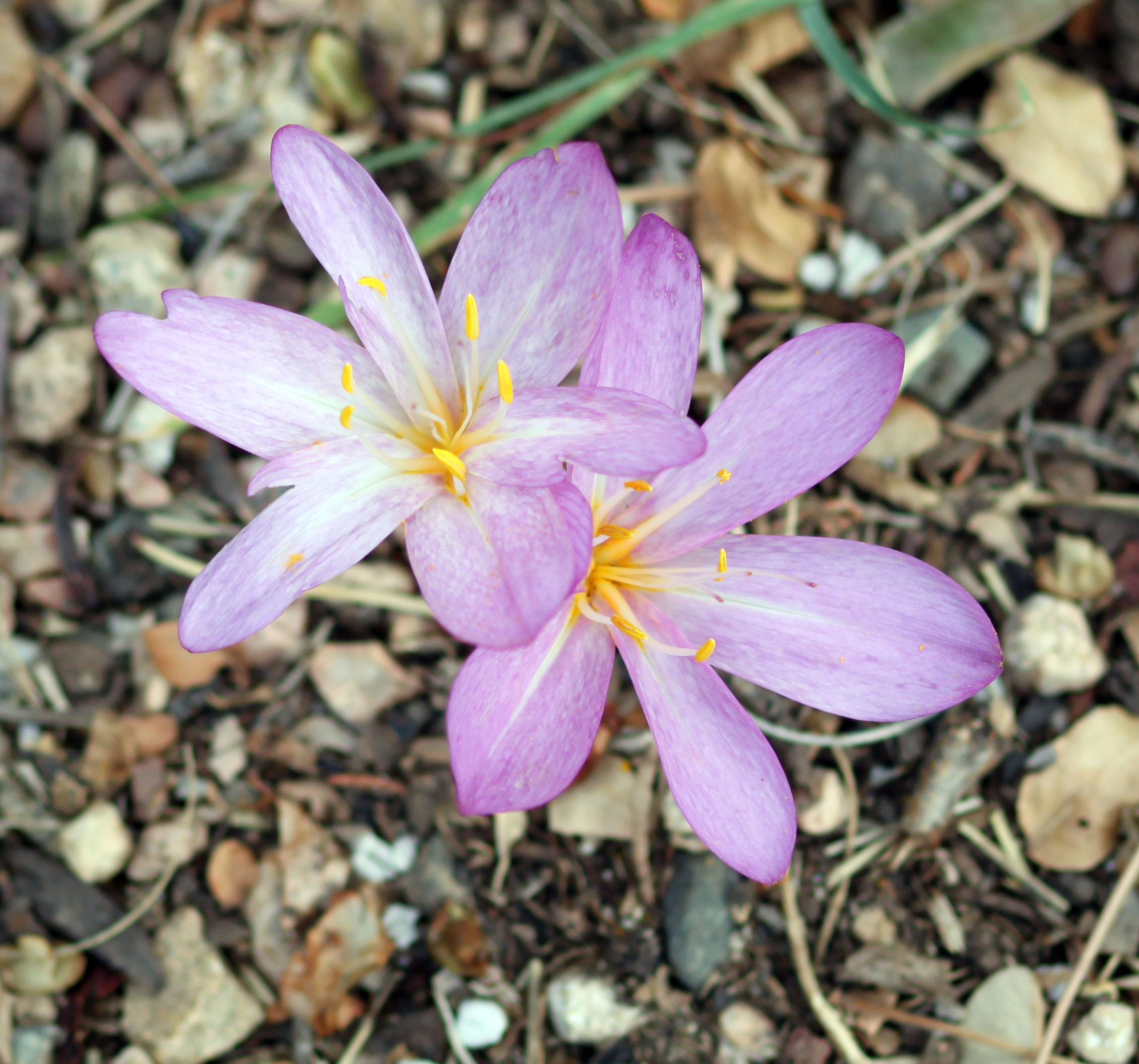
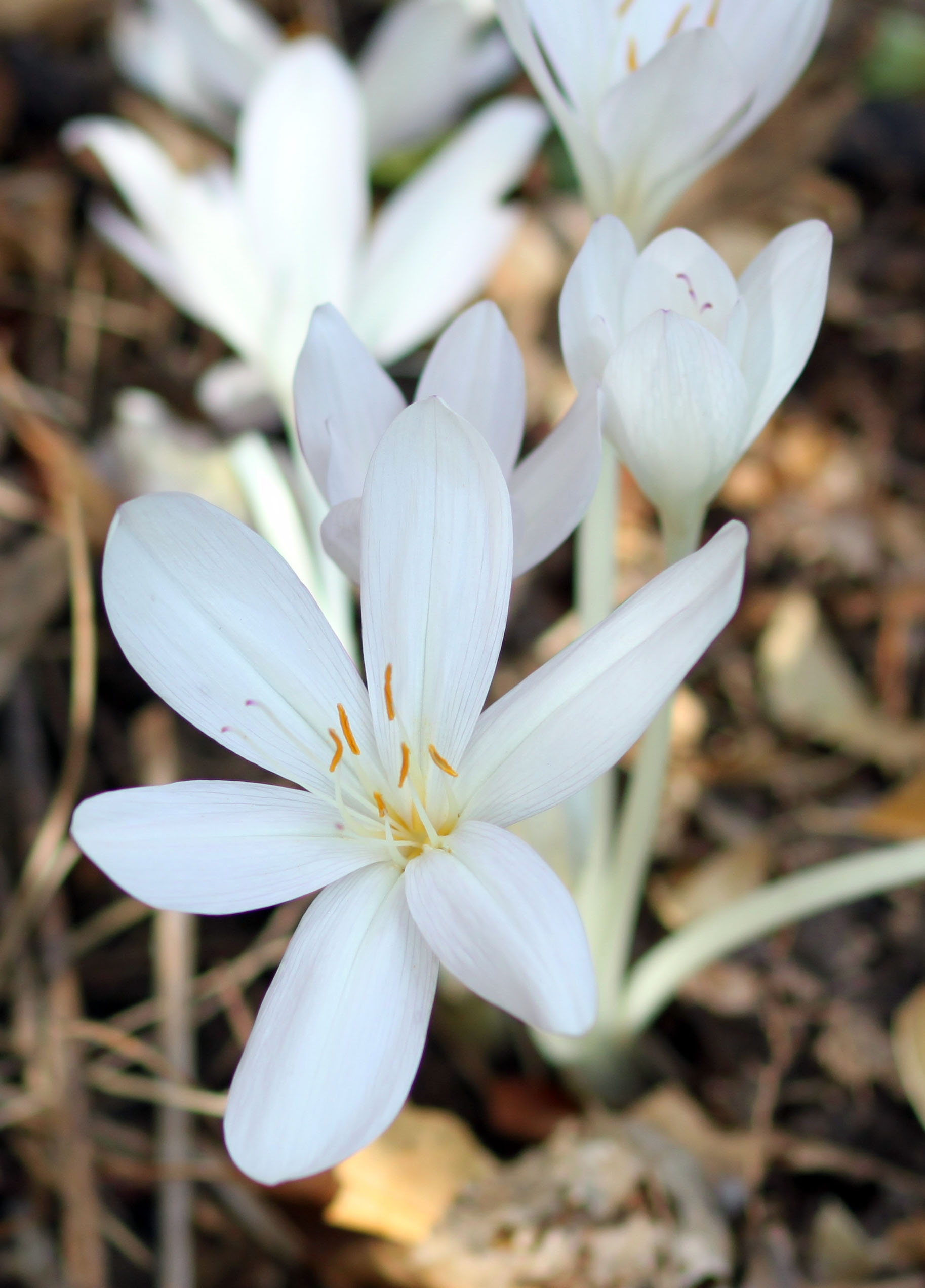
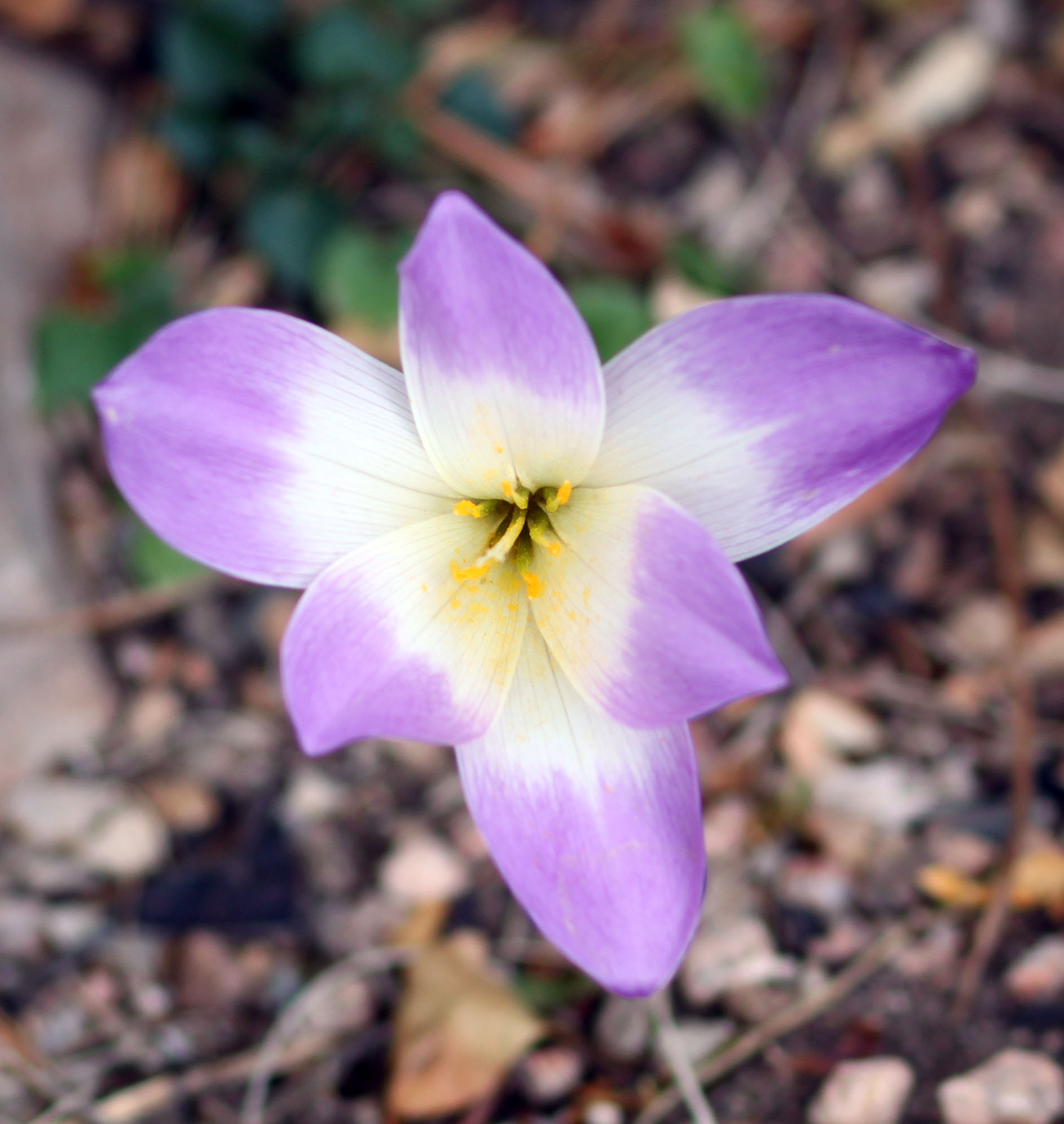
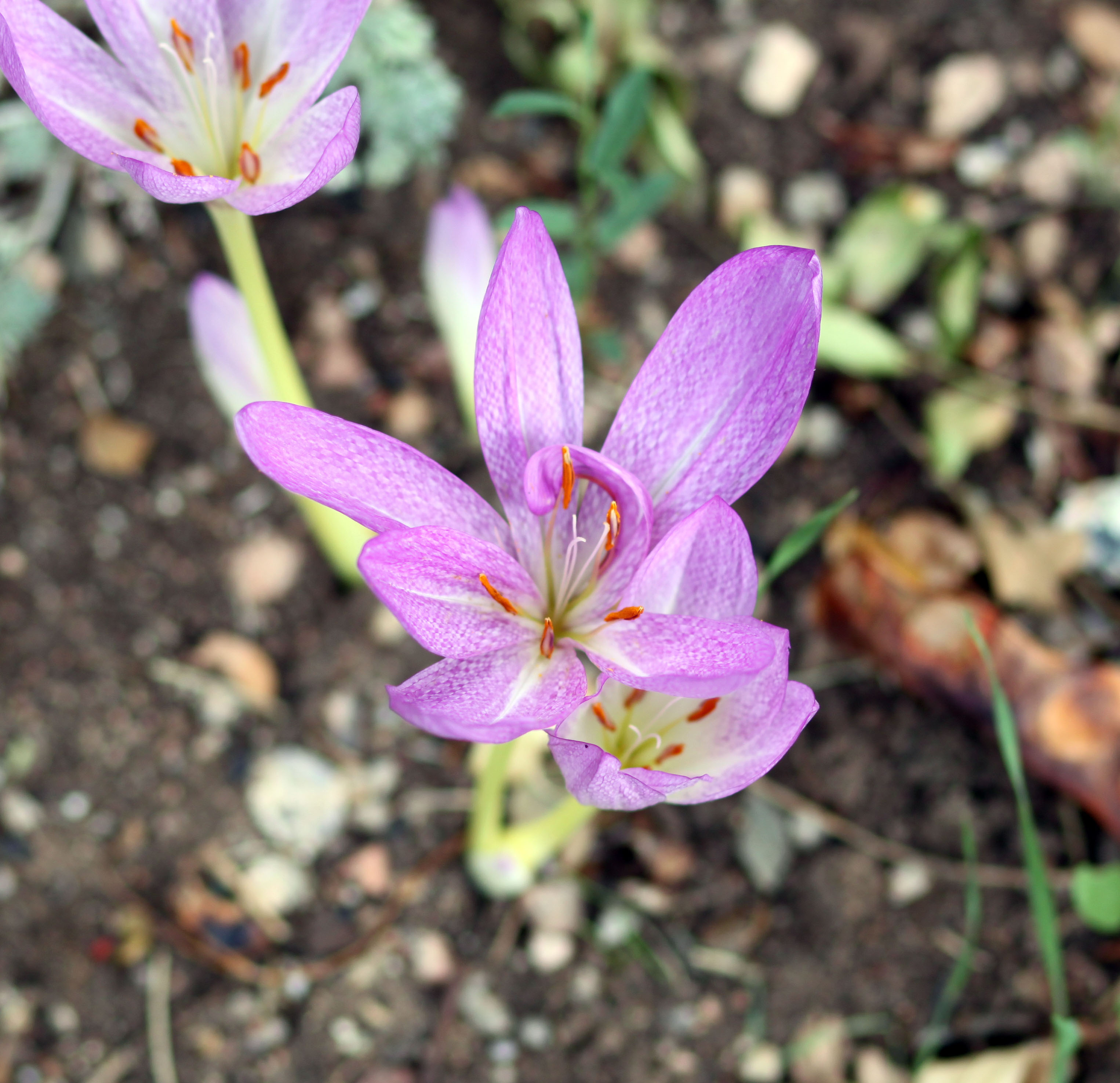
Naked ladies, or colchicums. Some people call them naked boys, but, uh, I prefer the other, more common name. Sometimes called “autumn crocus” which they are not (crocuses have three stamens and colchicums have six; the former is in the iris family and the latter in the lily family, or in its own family, the Colchicaceae), and also called “meadow saffron”, which they are most definitely not.  A meal of risotto alla milanese made with colchicine would be your last.

Pets don’t bother them so there’s no worry there. The only matter for concern, if it is one, is the enormous green leaves produced in spring, that wither and die spectacularly at just the wrong time of the year for things to be withering and dying.

Like cyclamen, narcissus, and crocus, to name just a few, some species start to bloom now, some in the middle of winter, and some in spring.

The name, by the way, comes from ancient Colchis, the area at the extreme eastern end of the Black Sea (the rainiest place in Europe), where Jason went to swipe the Golden Fleece, and, probably more importantly, Medea. Like most legends, the fleece part was probably added on later to make an ordinarily story of sailing to the ends of the earth for a woman just a little less ordinary. Even more likely, a bunch of guys heard that Colchis was full of naked ladies and off they sailed, calling themselves The Argonauts to impress the women. The fact that only Medea came back with them says something.

I digress, as usual. I’m only certain of the names of the first and third plants.

Colchicum ‘Dick Trotter’

a named variety, but the label is lost.

Colchicum cilicium

Colchicum byzantinum ‘Album’

Posted in Uncategorized | Tagged , , | 3 Comments